
What's Happening?
Zoom has announced a collaboration with World, a human ID verification company led by Sam Altman, to address the growing threat of AI-generated imposters in virtual meetings. This partnership aims to ensure
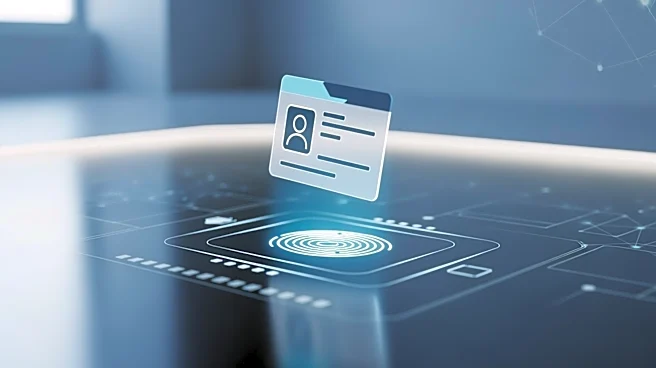
that meeting participants are genuine humans, not deepfake creations. The urgency of this initiative is underscored by past incidents, such as a 2024 case where an engineering firm in Hong Kong lost $25 million due to a deepfake video call. The financial impact of such frauds has been significant, with losses exceeding $200 million in the first quarter of the previous year alone. The new verification system by World employs a three-pronged approach, using a signed image, a real-time face scan, and a live video frame to confirm a participant's identity. Once verified, a 'Verified Human' badge is displayed. Zoom's integration of this technology allows hosts to require identity verification, enhancing trust in virtual interactions.
Why It's Important?
The integration of human verification technology in Zoom meetings addresses a critical security concern for businesses that conduct high-value transactions online. The rise of deepfake technology poses a significant risk, as it can be used to impersonate individuals in video calls, leading to substantial financial losses. By ensuring that meeting participants are verified humans, Zoom and World aim to protect companies from fraud and enhance the security of virtual communications. This development is particularly important for industries that rely heavily on remote interactions, as it provides a layer of trust and authenticity. The collaboration also highlights the increasing need for advanced security measures in the digital age, where AI technologies are rapidly evolving.
What's Next?
As Zoom and World roll out this verification feature, businesses are likely to adopt it to safeguard their virtual meetings. The success of this initiative could lead to broader implementation across other platforms that facilitate remote interactions. Additionally, the partnership may prompt other tech companies to develop similar security measures to combat deepfake threats. Stakeholders, including corporate leaders and cybersecurity experts, will be closely monitoring the effectiveness of this technology in preventing fraud. The collaboration may also influence regulatory discussions on digital security standards, as the need for robust verification systems becomes more apparent.