






What's Happening?
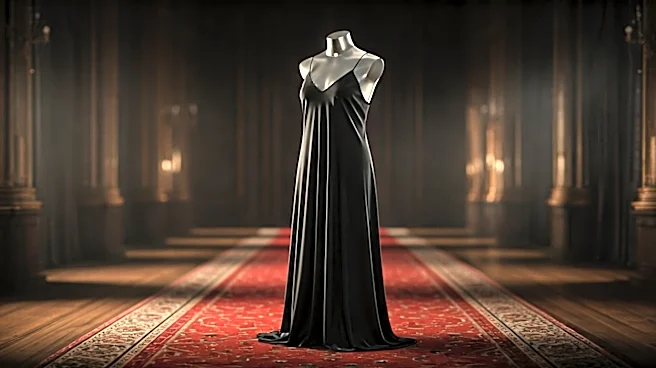
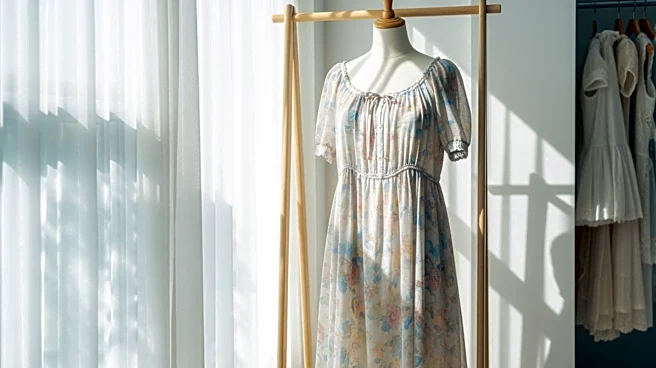
Pop singer Olivia Rodrigo addressed criticism regarding her choice to wear a babydoll dress, which some online commentators claimed infantilized and sexualized her. Rodrigo wore the dress in her 'Drop Dead' music video and at a Spotify concert, sparking
debate. In a New York Times Popcast interview, she expressed frustration over the criticism, arguing it reflects how society normalizes pedophilia by blaming women for how they are perceived. Rodrigo emphasized that her outfit choices are inspired by '90s rock icons and are not intended to be sexual. She highlighted the problematic rhetoric that suggests women are responsible for how men perceive them, advocating for a shift in societal attitudes.
Why It's Important?
Rodrigo's response sheds light on broader cultural issues regarding women's fashion choices and societal perceptions. Her comments challenge the notion that women should be held accountable for how their clothing is interpreted by others, a perspective that perpetuates victim-blaming. This discussion is significant in the context of ongoing conversations about gender norms, body autonomy, and the sexualization of women in media. Rodrigo's stance may influence her fans and the public to reconsider how they view and discuss women's fashion, potentially contributing to a cultural shift towards greater acceptance and understanding.
What's Next?
As Rodrigo prepares to release her third album, 'You Seem Pretty Sad for a Girl So in Love,' on June 12, she plans to continue addressing societal issues through her music and public appearances. Her upcoming tour may provide further opportunities to engage with fans on these topics. The conversation around her dress choice could lead to increased dialogue about the pressures women face regarding their appearance and the need for societal change. Rodrigo's influence as a young artist may inspire other musicians and public figures to speak out on similar issues.