


What's Happening?
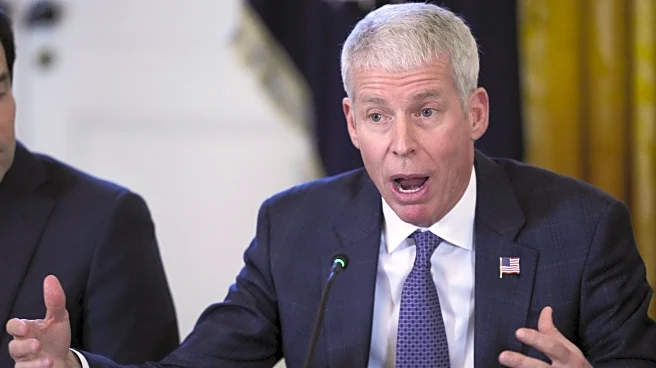
The Independent Petroleum Association of America (IPAA) has announced the promotion of Dan Naatz to the position of executive vice president and chief policy officer. Naatz, who has been a key figure in the organization's government affairs for over two decades, will now oversee the IPAA's policy priorities and government relations strategy. His focus will be on regulatory and legislative matters that impact independent oil and natural gas producers in the U.S. This move comes as the industry faces evolving federal and state regulatory frameworks. Naatz's experience includes leading policy and lobbying efforts on Capitol Hill, particularly concerning federal leasing access, methane regulations, and permitting reform. Before joining IPAA in 2003,
he served as chief of staff and legislative director for former Senator Craig Thomas of Wyoming.
Why It's Important?
Dan Naatz's promotion to chief policy officer at IPAA is significant as it underscores the organization's commitment to strengthening its advocacy for independent oil and gas producers. This comes at a critical time when the industry is navigating complex regulatory changes that could affect investment and operational strategies. By elevating a seasoned policy expert, IPAA aims to enhance its influence in Washington and ensure that the interests of independent producers are well-represented. This could lead to more favorable regulatory conditions, potentially boosting investment in U.S. upstream development. The move also highlights the importance of policy engagement in maintaining the competitiveness of U.S. independents in the global energy market.
What's Next?
As Dan Naatz assumes his new role, he is expected to work closely with IPAA member companies and allied organizations to build consensus on key policy initiatives. This collaboration will be crucial in shaping the association's strategy to address regulatory challenges and opportunities. Naatz's leadership will likely focus on strengthening IPAA's presence in Washington, advocating for policies that support the growth and sustainability of independent producers. The industry will be watching closely to see how these efforts translate into tangible policy outcomes that could impact the regulatory landscape and investment climate for U.S. independents.