




What's Happening?
The rapid expansion of artificial intelligence (AI) technologies is creating significant challenges for tech companies due to the increasing demand for energy and computing power. As AI evolves beyond simple chatbots to more complex autonomous agents,
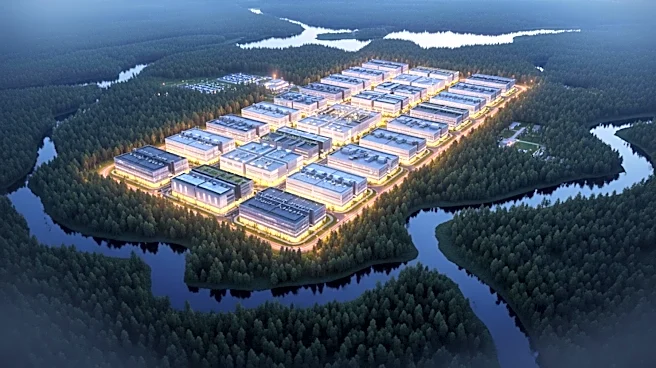
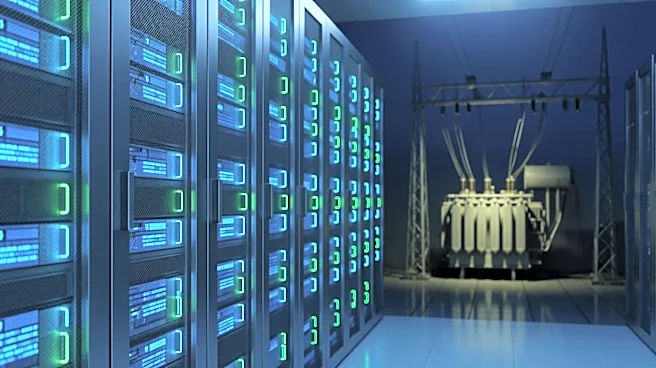
the need for electricity and computational resources has surged. This demand is putting pressure on the United States' aging electrical grid, which is composed of three loosely connected grids: East, West, and Texas. Experts have warned that the current infrastructure is outdated and unable to meet the growing energy needs of AI technologies. Companies like Microsoft, Amazon, Alphabet, and Meta are investing heavily in data centers and electricity generation to support new AI models and services. OpenAI has highlighted the risk of an 'electron gap' that could threaten U.S. leadership in AI, emphasizing the need for more energy resources.
Why It's Important?
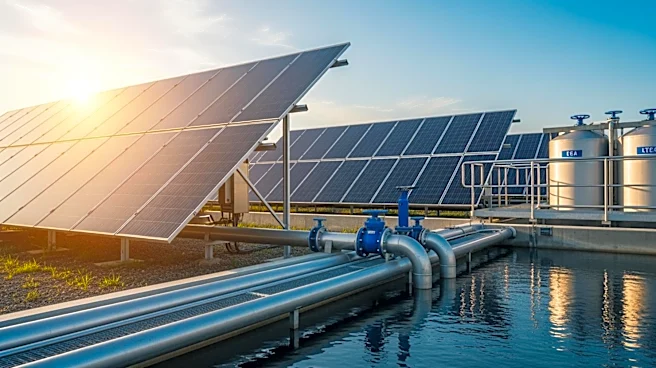
The strain on the U.S. power grid due to AI's energy demands has significant implications for the tech industry and the broader economy. As companies compete for limited energy resources, there is a 'land grab' for computing capacity, which is seen as essential for future AI advancements. The situation underscores the need for modernizing the electrical grid and increasing energy production, including renewable sources like wind and solar. However, political and practical challenges hinder these efforts. The inability to meet energy demands could slow down AI development, affecting the competitiveness of U.S. tech companies globally. Additionally, the push for more energy-efficient technologies and infrastructure could drive innovation and investment in the energy sector.
What's Next?
To address the energy challenges, tech companies and policymakers are exploring various solutions. These include increasing renewable energy production, enhancing battery storage capabilities, and expanding the grid's capacity. The industry is lobbying for policies that expedite permitting and incentivize private sector investment in energy infrastructure. Both the Biden and Trump administrations have supported initiatives to modernize the grid, such as 're-conductoring' existing transmission lines to increase capacity. Companies are also investing in futuristic technologies like nuclear fusion and large-scale battery storage to meet their energy needs. The outcome of these efforts will determine the pace of AI development and the U.S.'s position in the global tech landscape.
Beyond the Headlines
The energy demands of AI highlight broader issues related to infrastructure and sustainability. The push for more energy-efficient technologies could lead to significant advancements in renewable energy and battery storage, potentially reducing reliance on fossil fuels. However, the political landscape and regulatory environment will play crucial roles in shaping the future of energy production and distribution. The situation also raises ethical questions about resource allocation and the environmental impact of tech industry growth. As AI continues to evolve, finding a balance between technological advancement and sustainable energy practices will be critical.