




What's Happening?
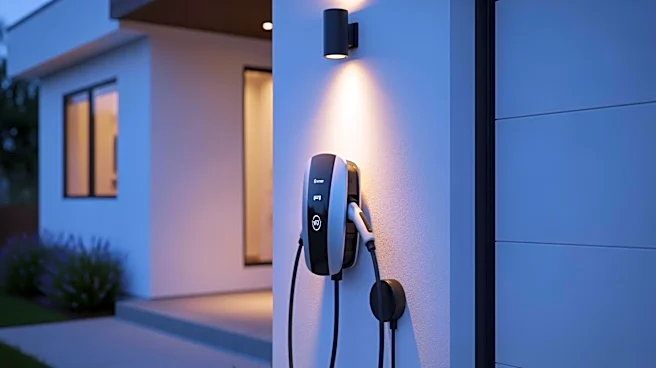
Point Loma Home Pros has released a comprehensive guide for Tesla owners in San Diego, detailing the costs and requirements for installing home chargers. The guide addresses common concerns such as installation budgets, electrical system compatibility,
and the complexity of permits and technical specifications. It highlights that Level 2 EV charger installations typically range from $1,000 to $2,500, with costs potentially exceeding $4,000 for complex projects involving panel upgrades or extensive wiring. The guide emphasizes the importance of understanding electrical requirements, such as a dedicated 60-amp circuit breaker and 240-volt setup, which can deliver up to 44 miles of range per hour for Tesla models. The document also provides a framework for selecting installation sites, obtaining quotes, securing permits, and completing inspections, particularly for older homes with outdated electrical systems.
Why It's Important?
The release of this guide is significant as it comes amid growing demand for home charging solutions due to the widespread adoption of electric vehicles in California. Understanding the costs and requirements of home charger installations is crucial for potential EV buyers, as it can influence their purchasing decisions. The guide aims to demystify the process, helping homeowners make informed decisions and avoid costly surprises. By addressing the specific challenges of older homes, Point Loma Home Pros positions itself as a knowledgeable resource in a market where specialized expertise is essential. This could lead to increased consumer confidence and potentially boost the adoption of electric vehicles by reducing one of the barriers to entry.
What's Next?
As electric vehicle adoption continues to rise, the demand for home charging solutions is expected to grow. Homeowners may increasingly seek professional guidance to navigate the complexities of installation, particularly in older homes. Point Loma Home Pros and similar companies may see an uptick in business as they provide the necessary expertise to handle these installations. Additionally, as more homeowners become aware of the requirements and costs, there may be a push for more streamlined processes and potentially even incentives or rebates to offset installation costs. This could further accelerate the transition to electric vehicles.