


What's Happening?
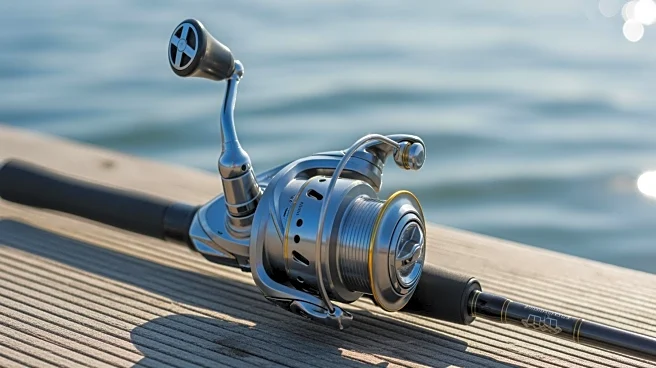
The fishing market is anticipated to expand significantly, with projections indicating a growth from $602.3 billion in 2025 to $820.73 billion by 2030, at a compound annual growth rate (CAGR) of 6.4%. This growth is driven by increased interest in recreational fishing, advancements in fishing equipment technology, and a rise in fishing tourism. The market is also benefiting from heightened awareness of sustainable fishing practices and the proliferation of e-commerce platforms selling fishing gear. Key trends include the growing appeal of sports and recreational fishing, a preference for specialized fishing gear, and more organized fishing competitions. The expansion of aquaculture, which involves the controlled farming of aquatic species, is also contributing
to the market's growth by meeting the rising global demand for seafood.
Why It's Important?
The projected growth of the fishing market has significant implications for various stakeholders, including local fishing communities, equipment manufacturers, and tourism operators. The increased demand for recreational fishing and sustainable practices could lead to more job opportunities and economic benefits in regions with rich aquatic resources. Technological advancements in fishing equipment may drive innovation and competitiveness within the industry. Additionally, the expansion of aquaculture is crucial for meeting global seafood demand, supporting food security, and providing employment. The focus on sustainable practices aligns with environmental goals, potentially reducing the ecological impact of fishing activities.
What's Next?
As the fishing market continues to grow, stakeholders may focus on enhancing sustainable practices and investing in technological innovations to maintain competitiveness. Governments and industry leaders might implement policies to support sustainable aquaculture and fishing tourism. The rise of e-commerce platforms could further transform how fishing gear is marketed and sold, potentially increasing accessibility for consumers. Additionally, regions with abundant natural water resources may see increased investment in infrastructure to support fishing tourism and related activities.
Beyond the Headlines
The growth of the fishing market highlights the importance of balancing economic development with environmental sustainability. As demand for seafood increases, the role of aquaculture in supplementing wild fish stocks becomes more critical. This shift may lead to regulatory changes and increased scrutiny of fishing practices to ensure ecological balance. The cultural significance of fishing in many communities could also see a resurgence, fostering a deeper appreciation for traditional practices and local heritage.