

What's Happening?
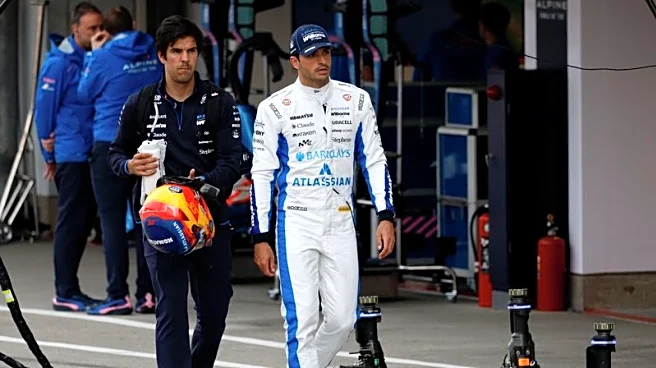
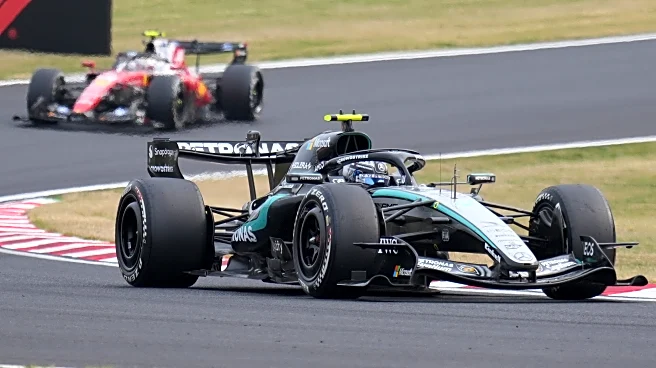
Carlos Sainz has criticized Formula 1 and its governing body, the FIA, for ignoring driver warnings about potential crashes like the one involving Oliver Bearman at the Japanese Grand Prix. Bearman crashed at high speed into the barriers at the Spoon
corner, escaping with a knee contusion but no fractures. Sainz highlighted that drivers have repeatedly expressed concerns over the dramatic speed differences caused by F1's new hybrid engines, which provide a battery boost. Despite these warnings, the FIA has not made changes to the racing regulations, although they have adjusted battery deployment levels for qualifying. Sainz hopes for better solutions by the Miami Grand Prix, emphasizing the need for safer racing conditions.
Why It's Important?
The incident underscores ongoing safety concerns in Formula 1, particularly regarding the new hybrid engine regulations that create significant speed differentials. These conditions can lead to dangerous crashes, as seen with Bearman. The criticism from Sainz and other drivers highlights a tension between maintaining the excitement of the sport and ensuring driver safety. The FIA's response to these concerns could impact future regulations and the overall safety of the sport. If changes are not made, there could be increased risk of similar incidents, potentially affecting the sport's reputation and the safety of its participants.
What's Next?
The FIA has announced meetings in April to address driver concerns and assess the new regulations. These discussions will involve various stakeholders, including teams, power unit manufacturers, and drivers. The outcome of these meetings could lead to adjustments in energy management and other regulations to enhance safety. The FIA has emphasized that any changes will require careful analysis and simulation. The response to these concerns will be closely watched by drivers and teams, as it will influence the future direction of the sport and its safety standards.