





What's Happening?
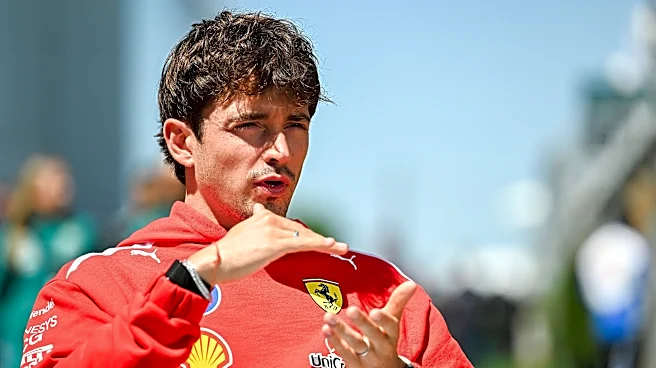
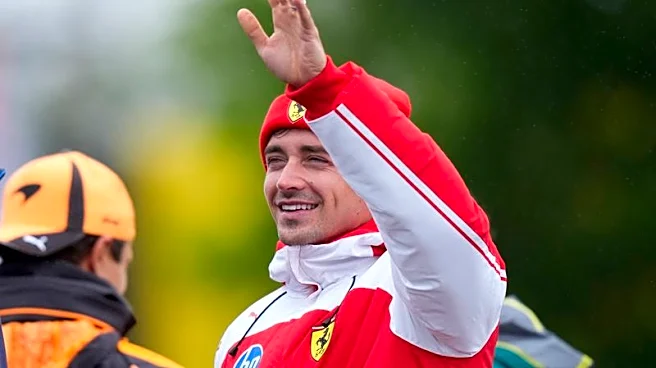
Lando Norris and Charles Leclerc have been fined for arriving late to the FIA's Thursday press conference in Monaco. As a result, their respective teams, McLaren and Ferrari, have incurred fines of €5000 each. These fines are suspended for 12 months,
contingent on no further offenses of this nature. The drivers were required to explain their tardiness to the stewards on Friday morning. The infraction is considered a breach of Article B10 of the FIA F1 regulations, which mandates punctuality for media activities and official ceremonies. The FIA selects six drivers for the Thursday press conference, which is broadcast live, necessitating strict adherence to the schedule. Norris and Leclerc cited delays at a previous commitment as the reason for their lateness, but this was not deemed sufficient for mitigation.
Why It's Important?
The fines highlight the strict regulatory environment within Formula 1, where even minor infractions like tardiness to a press conference can result in financial penalties. This incident underscores the importance of media obligations in the sport, reflecting the commercial and promotional aspects that are integral to Formula 1. The fines, although suspended, serve as a warning to teams and drivers about the consequences of non-compliance with FIA regulations. This could impact team operations and driver schedules, emphasizing the need for meticulous planning and time management. The incident also draws attention to the role of media in shaping the public image of teams and drivers, which is crucial for sponsorship and fan engagement.
What's Next?
The suspended fines will remain in effect for 12 months, during which any similar infractions could activate the penalties. Teams like McLaren and Ferrari may implement stricter internal protocols to ensure compliance with FIA regulations, potentially affecting how drivers manage their time during race weekends. The FIA may also review its procedures for handling such infractions to maintain fairness and consistency. Stakeholders, including sponsors and fans, will be watching closely to see how teams and drivers adapt to these regulatory demands, which could influence their reputations and commercial relationships.