







What's Happening?
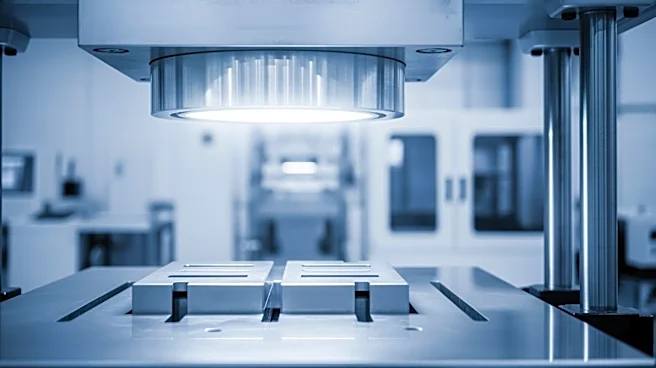
IperionX has announced the commissioning of a new 300-tonne, six-axis SACMI powder metallurgy press at its Titanium Manufacturing Campus in South Boston, Virginia. This development significantly increases the company's powder metallurgy capacity, tripling
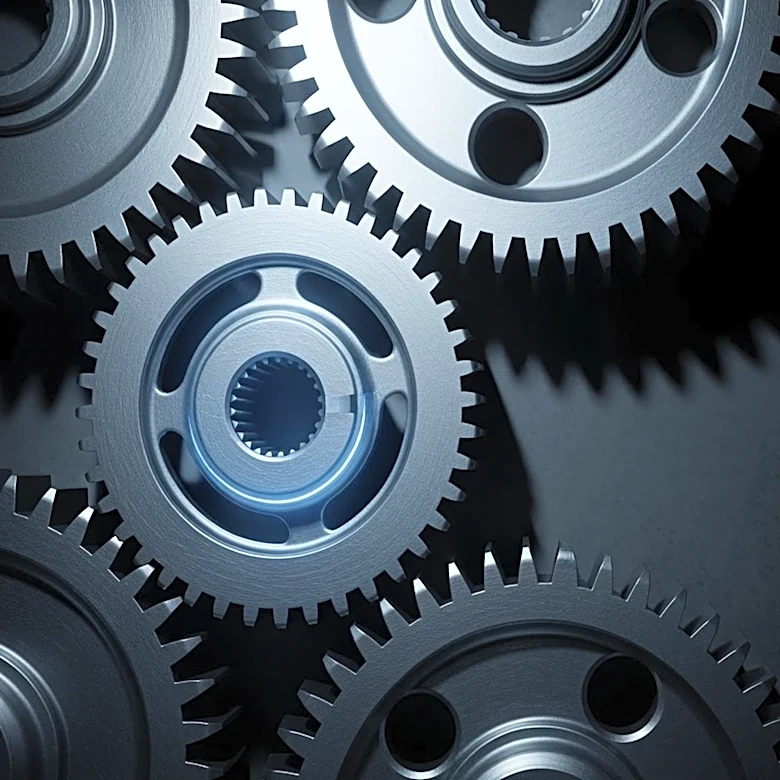
its previous capabilities. The advanced SACMI press offers superior compaction force, multi-axis movement, and enhanced geometry control, allowing for the production of complex, near-net-shape titanium parts. The press can operate at up to 24 pressing cycles per minute, producing approximately 11 million single-cavity parts annually. This expansion utilizes low-cost, US-sourced feedstocks through IperionX's patented HAMR titanium process, which bypasses traditional, energy-intensive supply chains. The new capabilities will support critical customer programs across various sectors, including defense, aerospace, automotive, and industrial, by producing essential components such as fasteners, gears, brackets, and actuators.
Why It's Important?
The expansion of IperionX's manufacturing capacity is significant for several reasons. It enhances the domestic production of high-value titanium components, reducing reliance on international supply chains. This is particularly important for sectors like defense and aerospace, where supply chain security is critical. The use of US-sourced feedstocks and innovative manufacturing processes also reduces costs and environmental impact, aligning with broader industry trends towards sustainability and efficiency. By increasing production capabilities, IperionX is better positioned to meet the growing demand for titanium components, which are essential for high-performance applications due to their strength-to-weight ratio and corrosion resistance. This development could lead to increased competitiveness for US manufacturers in the global market.
What's Next?
IperionX plans to further scale up its manufacturing capabilities with the arrival of additional HSPT furnace capacity in June. This will support the increased production demands and allow the company to expand its product offerings. As the company continues to enhance its manufacturing processes, it may attract more contracts from key sectors, potentially leading to further investments and expansions. Stakeholders in the defense, aerospace, and automotive industries will likely monitor these developments closely, as they could impact supply chain strategies and procurement decisions.