



What's Happening?
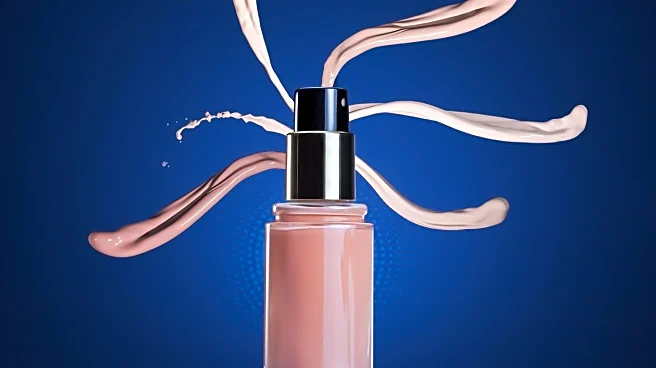
IL MAKIAGE has launched a new Luminous Foundation that combines skincare and makeup, featuring raspberry cell extract and diamond core powder for a radiant look. The foundation offers a wide range of 50 shades and uses artificial intelligence (AI) for precise online shade matching. Estée Lauder has also updated its iconic Double Wear foundation with a new Polymer Mesh Matrix Technology, providing long-lasting wear and improved skin balance. This new formula includes 52 shades and uses Color Capture technology for accurate skin tone matching. Both brands are leveraging technology to enhance consumer experience and product effectiveness.
Why It's Important?
The integration of AI in beauty products represents a significant shift in the industry, offering consumers
more personalized and precise options. This technological advancement allows for better product matching and satisfaction, potentially increasing consumer loyalty and sales. The focus on combining skincare benefits with makeup addresses growing consumer demand for multifunctional products that cater to both aesthetic and health needs. As major brands like IL MAKIAGE and Estée Lauder adopt these innovations, it sets a precedent for others in the industry to follow, potentially leading to widespread changes in how beauty products are developed and marketed.
What's Next?
As these technology-driven products gain popularity, other beauty brands may invest in similar innovations to remain competitive. The success of AI in shade matching and product formulation could lead to further advancements in personalized beauty solutions, such as custom skincare regimens based on individual skin analysis. Additionally, consumer feedback and data collected from these AI tools could drive future product development, leading to even more tailored beauty solutions. The industry may also see increased collaboration between tech companies and beauty brands to enhance product offerings.
Beyond the Headlines
The use of AI in beauty products raises questions about data privacy and the ethical use of consumer information. As brands collect more data to improve product offerings, they must ensure that consumer privacy is protected and that data is used responsibly. Additionally, the reliance on technology in beauty could widen the gap between consumers who have access to these innovations and those who do not, potentially creating disparities in product availability and effectiveness.