

What's Happening?
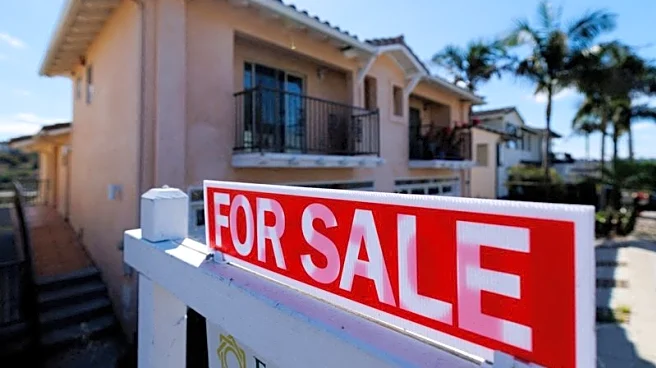
The average long-term U.S. mortgage rate has increased to 6.22%, marking the highest level in over three months. This rise comes amid ongoing economic uncertainties, including the war in the Middle East, which has contributed to inflation fears and increased energy
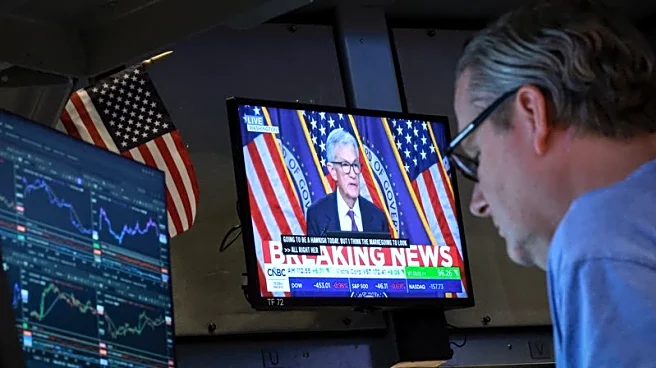
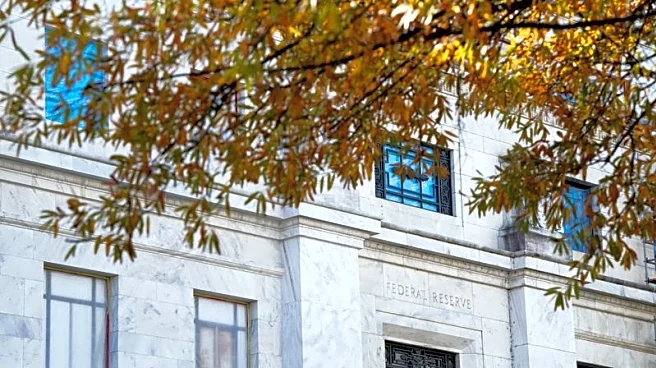
costs. The Federal Reserve's recent decision to maintain interest rates has also influenced mortgage rate trends, as these rates are closely tied to the yield on 10-year Treasury notes. Despite the increase, current mortgage rates remain below the 6.67% average from a year ago, potentially benefiting those who can afford to purchase homes at these rates. However, the rise in rates has clouded the spring homebuying season, traditionally the busiest period for the housing market, with mortgage applications dropping nearly 11% last week.
Why It's Important?
The increase in mortgage rates is significant as it affects the affordability of homes for potential buyers, potentially limiting their purchasing power. This development is particularly impactful during the spring homebuying season, a critical time for the housing market. The rise in rates may discourage both prospective homebuyers and those looking to refinance existing loans, contributing to a continued slump in the housing market that began in 2022. The Federal Reserve's stance on interest rates, influenced by inflation concerns, plays a crucial role in shaping mortgage rate trends. As long-term bond yields rise, mortgage rates are likely to follow, affecting the broader economic landscape and consumer confidence.
What's Next?
The future of mortgage rates will likely depend on several factors, including the Federal Reserve's monetary policy decisions and the ongoing geopolitical situation in the Middle East. If inflation continues to rise, the Fed may be hesitant to cut interest rates, which could keep mortgage rates elevated. This scenario could further impact the housing market, potentially sidelining both buyers and sellers. Economic stakeholders, including real estate professionals and financial institutions, will be closely monitoring these developments to adjust their strategies accordingly. The housing market's performance in the coming months will be a key indicator of broader economic health.