
What's Happening?
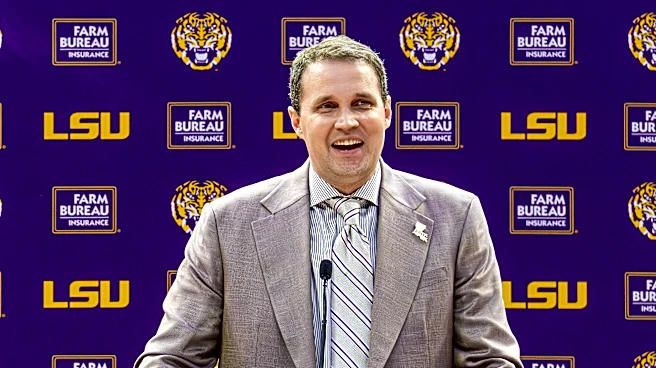
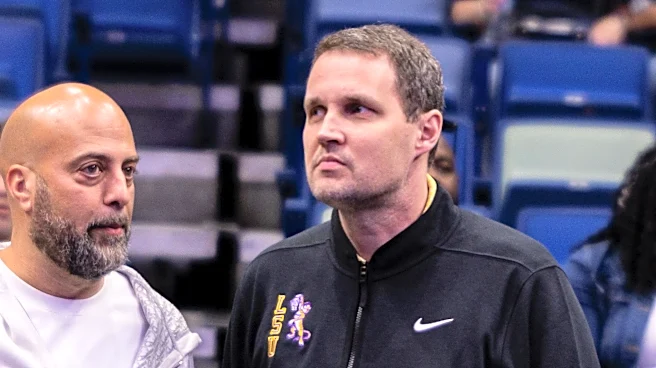
N.C. State University is exploring potential legal claims against Louisiana State University (LSU) concerning the departure of men's basketball coach Will Wade. The investigation focuses on whether LSU violated
North Carolina state law by allegedly inducing Wade to breach his employment agreement with N.C. State. The university's vice chancellor and general counsel, Allison B. Newhart, communicated with LSU's general counsel, Carlton Jones, regarding the matter. N.C. State has received requests from LSU to release claims against them, which the university has not agreed to. The investigation includes examining if LSU's actions violated the state's Unfair and Deceptive Trade Practices Act, which could result in financial damages and attorney fees. The timing of Wade's buyout payment is a critical factor, as LSU hired Wade shortly after he expressed commitment to N.C. State, and the buyout amount was reduced under specific conditions.
Why It's Important?
This legal investigation highlights the complexities and potential conflicts in collegiate sports contracts and coaching transitions. The outcome could set a precedent for how universities handle similar situations in the future, potentially affecting contract negotiations and employment agreements across the NCAA. If N.C. State's claims are validated, it could lead to financial repercussions for LSU and influence how universities approach hiring practices and contractual obligations. The case underscores the importance of transparency and adherence to legal standards in collegiate athletics, impacting stakeholders such as universities, coaches, and legal professionals involved in sports management.
What's Next?
N.C. State's investigation will continue, potentially leading to legal action if evidence supports their claims. LSU's response and any legal defenses they present will be crucial in determining the case's direction. The situation may prompt other universities to review their contractual practices and legal strategies to prevent similar disputes. Stakeholders in collegiate sports, including athletic directors and legal advisors, will likely monitor the case closely for its implications on future coaching contracts and employment agreements.