
What's Happening?
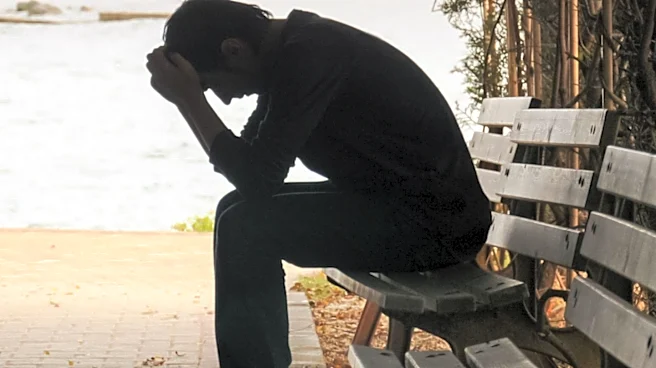
The feeling of being socially excluded, whether real or perceived, can have significant emotional impacts. According to clinical psychologist Sabrina Romanoff, the sensation of exclusion taps into primitive
fears and can lead to overemphasizing worst-case scenarios. This emotional response is often rooted in past experiences of exclusion, such as being left out of social events or group activities. The article discusses how these feelings can arise even from minor incidents, like not being included in a group photo, and how they can lead to spiraling thoughts about one's place in a social group.
Why It's Important?
Understanding the psychological underpinnings of social exclusion is crucial for addressing feelings of isolation and improving mental health. Recognizing that these feelings are often based on perception rather than reality can help individuals manage their emotional responses. This awareness is particularly important in a society where social connections are highly valued, and exclusion can lead to significant distress. By exploring these dynamics, individuals can better navigate their social relationships and reduce the impact of perceived exclusion on their well-being.