



What's Happening?
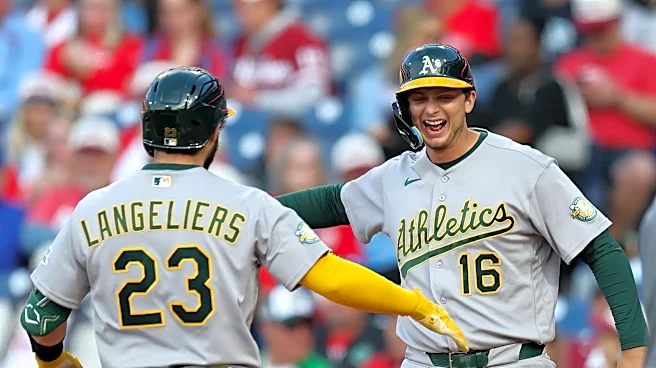
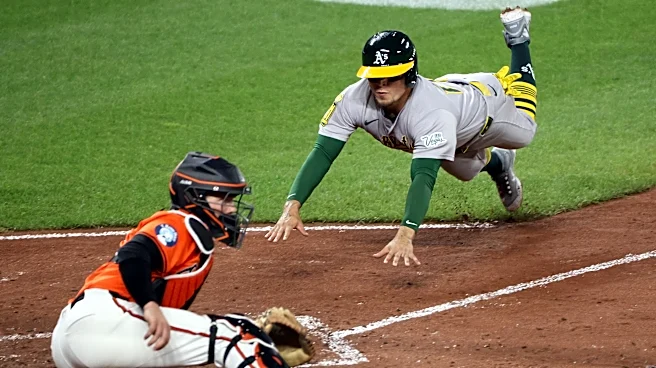
During a recent game between the Baltimore Orioles and the Athletics, umpire Carlos Torres exercised his discretion to deny two ABS (Automated Ball-Strike System) challenge requests. The first incident occurred when Athletics catcher Shea Langeliers attempted
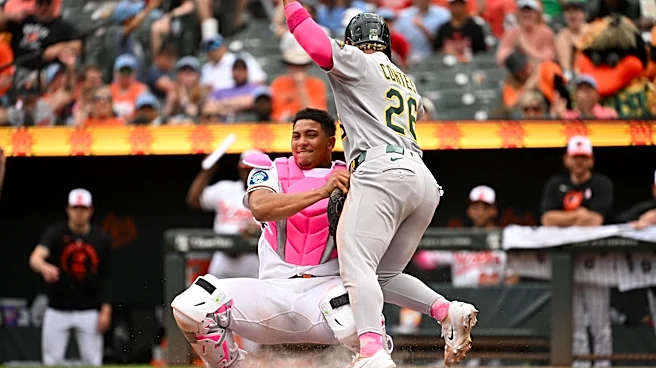
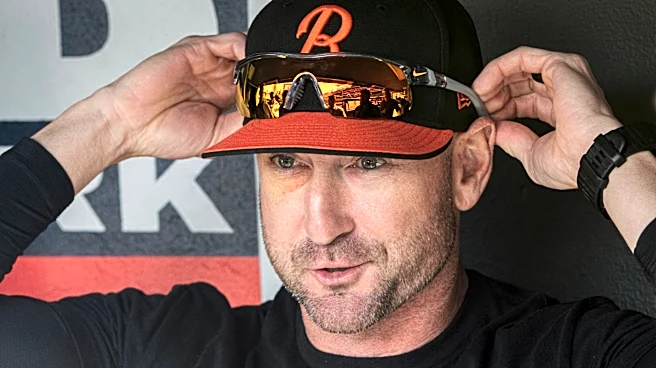
to challenge a call after Orioles outfielder Taylor Ward walked. Torres did not grant the review. The second incident involved Orioles catcher Samuel Basallo, who was denied a challenge after initially throwing the ball around the horn, believing it was strike three. The denial led to an argument from Baltimore manager Craig Albernaz and the ejection of infield coach Miguel Cairo. Under MLB's ABS rules, challenges can be denied if not requested in a timely manner or if aided by the dugout. The system, only six weeks old, has already seen about 2,200 challenges with a 53% overturn rate.
Why It's Important?
The denial of ABS challenges highlights ongoing issues with the implementation of the automated system in Major League Baseball. The discretion allowed to umpires in granting challenges can lead to inconsistencies and disputes, as seen in this game. This situation underscores the need for clear guidelines and possibly a challenge clock to ensure fairness and transparency. The controversy affects teams' strategies and could influence future rule adjustments. The incident also reflects broader debates about the role of technology in sports and the balance between human judgment and automated systems.
What's Next?
As the ABS system continues to be tested, MLB may consider adjustments to the challenge process, such as implementing a challenge clock to reduce reliance on umpire discretion. Teams and managers are likely to push for clearer rules to avoid similar controversies. The league will need to monitor the system's impact on game dynamics and address any emerging issues to maintain the integrity of the sport.