






What's Happening?
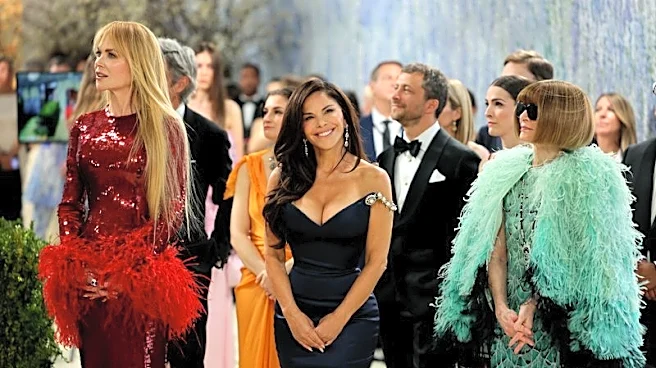
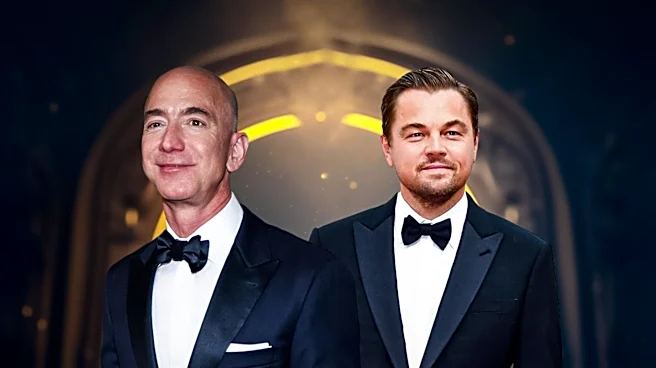
The recent Met Gala, co-chaired by Amazon founder Jeff Bezos and his wife Lauren Sanchez, has drawn significant attention due to the presence of several Silicon Valley executives. This year's event, which traditionally serves as a fundraiser for the Costume
Institute at New York's Metropolitan Museum of Art, saw participation from tech giants like Meta, Snapchat, and OpenAI. The involvement of these tech figures has sparked outrage among critics who view the Met Gala as a symbol of exclusivity and style, now overshadowed by what they perceive as a 'tech bro' invasion. Protests against Amazon's labor practices were staged outside the event, with activists highlighting the harsh working conditions faced by Amazon employees. The protests included symbolic acts such as leaving bottles of urine at the venue, referencing reports of Amazon workers being forced to urinate in bottles due to time constraints. Despite the backlash, the event proceeded with celebrities and tech executives mingling, raising questions about the intersection of wealth, culture, and corporate influence.
Why It's Important?
The presence of Silicon Valley executives at the Met Gala underscores the growing influence of tech companies in cultural spaces traditionally dominated by the arts and fashion. This shift raises concerns about the commodification of culture and the potential for tech companies to use such platforms to enhance their public image while diverting attention from controversial business practices. The protests against Amazon highlight ongoing labor issues and the ethical implications of corporate practices in the tech industry. As tech companies continue to expand their reach into various sectors, including culture, the balance between corporate influence and cultural integrity becomes increasingly precarious. This development also reflects broader societal tensions regarding wealth inequality and the role of corporations in shaping cultural narratives.
What's Next?
The ongoing debate about the role of tech companies in cultural events like the Met Gala is likely to continue, with potential implications for future collaborations between the tech industry and cultural institutions. Stakeholders in the arts and fashion sectors may need to reassess their partnerships with tech companies, considering the ethical and cultural ramifications. Additionally, the protests against Amazon and other tech giants may lead to increased scrutiny of their labor practices and corporate governance. As public awareness grows, there may be calls for more transparency and accountability from tech companies, particularly in how they engage with cultural and social issues.
Beyond the Headlines
The involvement of Silicon Valley in cultural events like the Met Gala highlights a deeper cultural shift where tech companies seek to align themselves with high-profile cultural symbols to gain social capital. This trend raises questions about the authenticity of cultural engagement and the potential for tech companies to overshadow traditional cultural narratives with their own agendas. The protests against Amazon also reflect a broader movement advocating for workers' rights and ethical business practices, challenging the tech industry's often unchecked power. As these dynamics unfold, they may influence public perceptions of tech companies and their role in society, potentially leading to a reevaluation of how culture and commerce intersect.