




What's Happening?
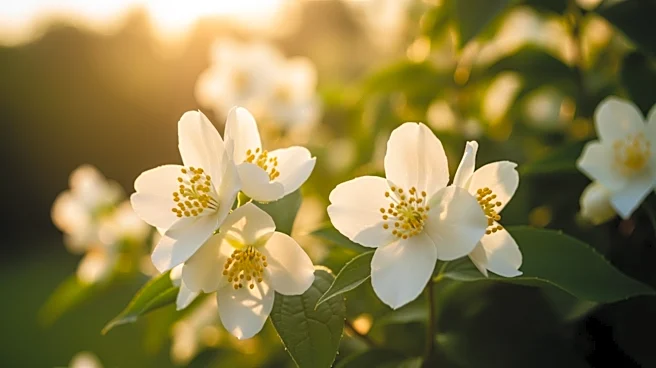
Chanel's iconic No. 5 perfume relies heavily on jasmine flowers harvested in Grasse, France, a tradition that dates back over a century. The jasmine, grown by the Mul family for six generations, is crucial to maintaining the fragrance's signature scent.
The flowers are handpicked at dawn to preserve their fragrance and are processed using a 150-year-old technique. This process involves steeping the flowers to extract a wax, which is then refined into a concentrated form known as absolute. This absolute is a key ingredient in Chanel No. 5. The town of Grasse, once a perfume capital, is experiencing a revival as luxury brands invest in its unique floral resources. Chanel's partnership with local farmers has helped sustain this tradition, ensuring the perfume's authenticity.
Why It's Important?
The revival of Grasse's perfume industry highlights the importance of preserving traditional methods in luxury goods production. For Chanel, maintaining the authenticity of No. 5 is crucial to its brand identity and market position. The investment in Grasse not only supports local agriculture but also reinforces the cultural heritage of perfume-making. This move is significant as it counters the trend of outsourcing production to countries with cheaper labor, emphasizing quality and tradition over cost-cutting. The resurgence of Grasse as a perfume hub could inspire other luxury brands to prioritize heritage and craftsmanship, potentially influencing industry standards and consumer expectations.
What's Next?
As Grasse continues to attract investment from luxury brands, the region may see further development in its perfume industry. This could lead to increased tourism and economic growth, as well as a renewed focus on sustainable and ethical farming practices. Chanel and other brands may expand their partnerships with local farmers, ensuring a steady supply of high-quality ingredients. Additionally, the designation of Grasse as a UNESCO Intangible Cultural Heritage Site could boost its global profile, attracting more attention and resources to preserve its unique traditions.
Beyond the Headlines
The revival of Grasse's perfume industry raises questions about the balance between tradition and innovation in luxury goods. While maintaining traditional methods is essential for authenticity, there is also a need to adapt to modern environmental and ethical standards. The industry's reliance on natural resources highlights the importance of sustainable practices, which could become a focal point for future developments. Furthermore, the emphasis on heritage and craftsmanship may influence consumer preferences, leading to a greater appreciation for products with a rich cultural background.