



What's Happening?
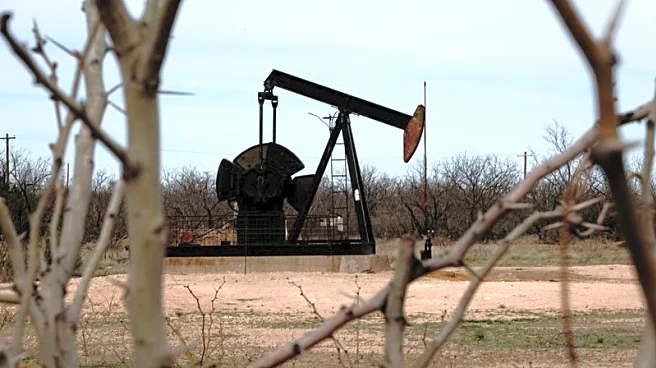
At the CERAWeek energy conference in Houston, shale executives expressed reluctance to increase oil production despite prices exceeding $100 a barrel. The executives indicated that sustained high prices over several months are necessary before considering
production increases. This hesitance is attributed to a focus on returning capital to shareholders, rising operational costs, and maturing oil fields. The current geopolitical situation, particularly the US-Israeli conflict with Iran, has led to a significant reduction in global oil supply, further complicating the decision-making process for US shale producers. ConocoPhillips and other major players have locked in their drilling plans for the year, and any adjustments would require a prolonged period of high prices.
Why It's Important?
The reluctance of US shale firms to ramp up production could exacerbate the global energy crisis, as the US is a major oil producer capable of quickly filling supply gaps. The ongoing conflict in the Middle East has already led to a significant reduction in oil supply, causing prices to surge. If US shale producers do not increase output, consumers may face prolonged high energy costs, impacting various sectors of the economy. This situation highlights the delicate balance between shareholder returns and the need for increased production to stabilize global oil markets.
What's Next?
If oil prices remain high for an extended period, US shale companies may eventually decide to increase production. However, this process could take several months, as companies would need to adjust their drilling plans and budgets. In the meantime, the global energy market will likely remain volatile, with potential impacts on consumer prices and economic stability. Stakeholders, including government officials and industry leaders, may need to explore alternative solutions to address the supply shortfall.