






What's Happening?
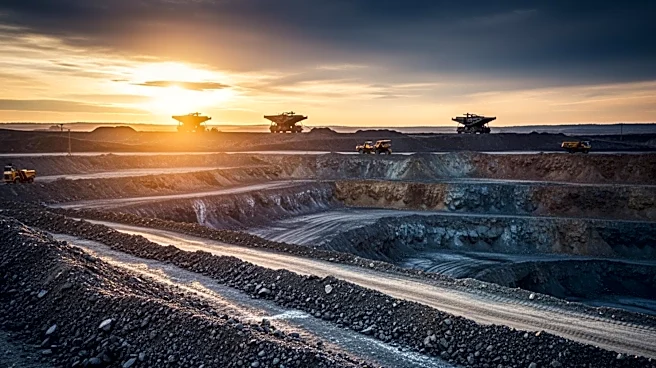
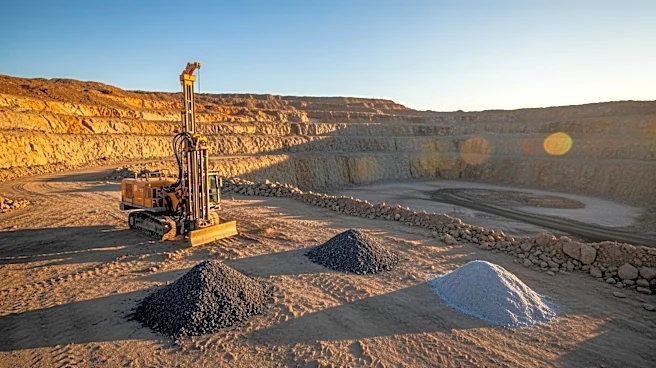
The Arctic Canadian Diamond Company, operator of the Ekati Diamond Mine in the Northwest Territories, has filed for creditor protection due to severe financial distress. The company, a subsidiary of Burgundy Diamond Mines, has been unable to meet its
financial obligations following a dramatic drop in diamond prices, which fell by over 70% within a year. The Supreme Court of British Columbia has granted the company temporary legal protection from creditors, allowing it until May 11 to stabilize its operations. The mine, which has been operational since 1998, employs hundreds of workers, many of whom are Indigenous or northern residents.
Why It's Important?
The financial instability of the Ekati Diamond Mine has significant implications for the local economy and workforce. The mine is a major employer in the region, and its potential closure could lead to substantial job losses and economic hardship for northern communities. The situation also highlights the vulnerability of natural resource-dependent industries to global market fluctuations. The decline in diamond prices, influenced by factors such as the rise of lab-grown alternatives and decreased demand from China, underscores the need for diversification and resilience in regional economies.
What's Next?
The company must stabilize its operations to avoid further financial deterioration. This may involve restructuring its debts, securing additional funding, or finding new investors. The Northwest Territories government and federal authorities are closely monitoring the situation, with the territorial government ready to support affected workers. The outcome of the creditor protection process will be crucial in determining the mine's future and the economic stability of the region. Stakeholders, including local communities and government officials, will need to collaborate to mitigate the impact on workers and explore alternative economic opportunities.
Beyond the Headlines
The challenges faced by the Ekati Diamond Mine reflect broader issues in the mining industry, including environmental responsibilities and the need for sustainable practices. The company's financial difficulties also raise questions about the long-term viability of traditional mining operations in the face of technological advancements and changing consumer preferences. Additionally, the situation highlights the importance of corporate responsibility and the ethical considerations of operating in Indigenous territories. These factors may influence future regulatory and policy decisions regarding resource extraction and community engagement.