



What's Happening?
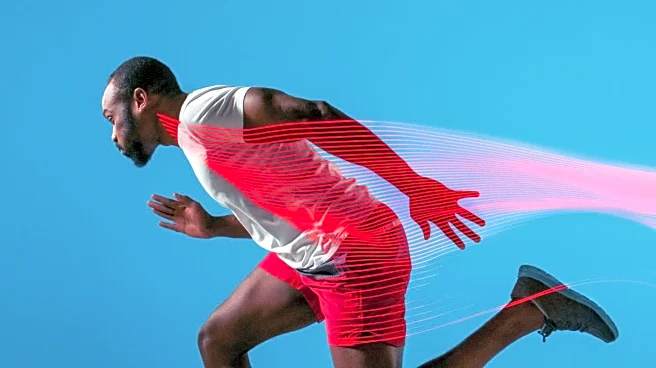
Red light therapy, also known as photobiomodulation, is gaining traction as a tool for recovery and pain management. This therapy involves applying specific wavelengths of light to the skin, which can penetrate below the surface and interact with tissue
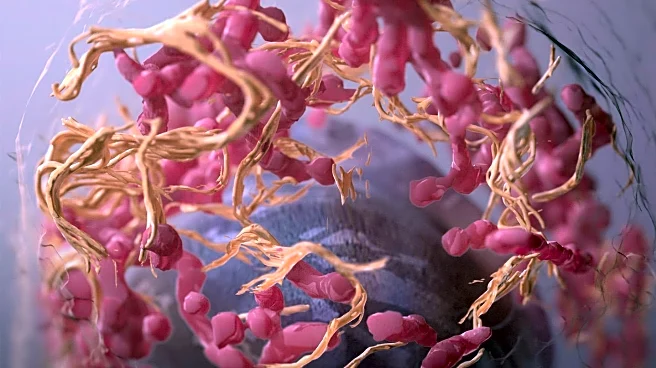
at a cellular level. According to experts, this interaction stimulates mitochondria, the cell's energy producers, leading to increased blood flow, reduced inflammation, and enhanced healing. The therapy is particularly appealing to athletes due to its non-invasive nature and low risk when used appropriately. While some studies suggest benefits in muscle recovery and reduced soreness, experts caution that it should not replace proper training and recovery routines. FDA-cleared devices are recommended for safety and efficacy, with products available for various applications, including skin care and pain relief.
Why It's Important?
The growing interest in red light therapy highlights a shift towards non-invasive recovery methods in sports and wellness. As athletes and fitness enthusiasts seek ways to enhance performance and recovery, red light therapy offers a complementary approach to traditional methods like nutrition and rest. Its potential to reduce inflammation and improve blood flow can aid in quicker recovery times, which is crucial for maintaining high performance levels. However, the therapy's effectiveness varies, and it should be integrated into a broader recovery strategy. The availability of FDA-cleared devices ensures that users can access safe and regulated products, promoting wider adoption and trust in this emerging technology.