



What's Happening?
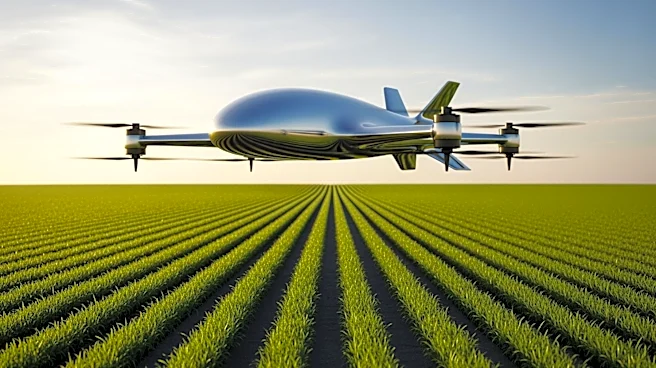
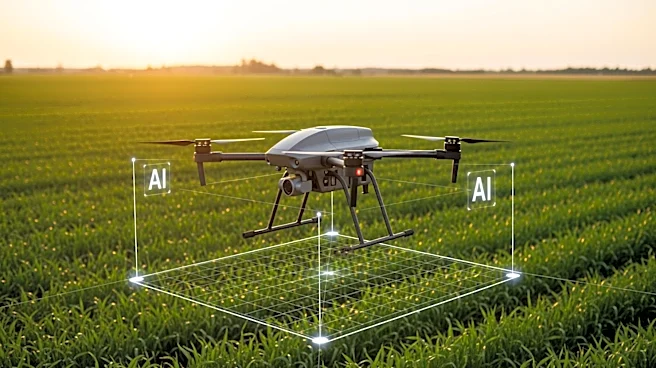
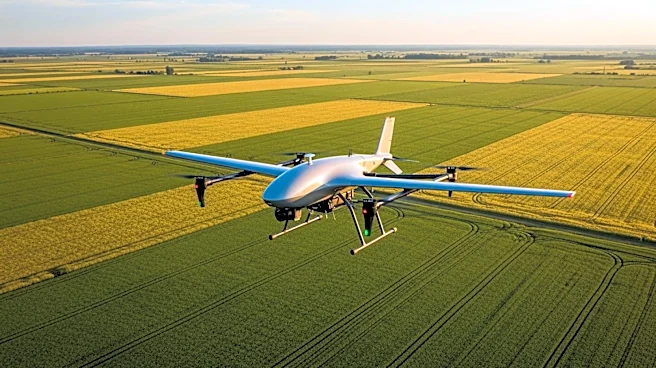
Geodash Aerosystems, a joint venture between DroneDash Technologies and Geonet, is set to introduce a new class of agricultural drones designed for large-scale industrial farming. These drones, which will be commercially deployed by Q3 2026, utilize real-time
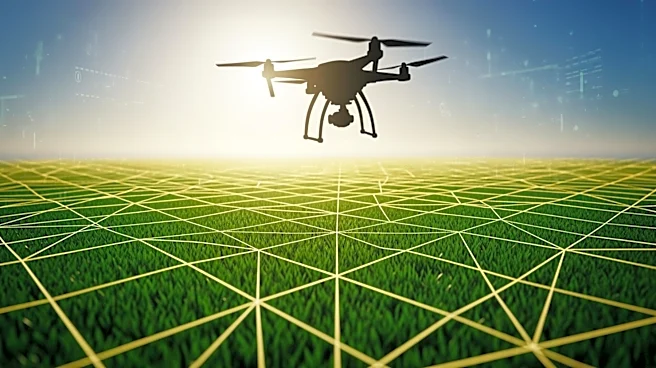
AI vision and RTK positioning to dynamically adapt during flight, eliminating the need for pre-mapping. This innovation aims to reduce deployment time and costs while providing continuous agronomic intelligence. The drones are particularly targeted at oil palm, sugarcane, and broad-acre operations across Southeast Asia, the United States, and South America. The system has undergone pilot deployments and validation, with commercial readiness and regulatory approvals expected soon.
Why It's Important?
The introduction of AI-driven drones by Geodash Aerosystems could significantly enhance efficiency in industrial agriculture. By removing the need for manual pre-mapping, these drones allow for faster deployment and adaptability to changing terrain and crop conditions. This technology could lead to substantial cost savings and increased productivity for large-scale farming operations. Additionally, the drones' ability to collect and analyze agronomic data in real-time offers valuable insights for plantation managers, potentially improving crop health and yield. This development represents a significant step forward in precision agriculture, with the potential to transform farming practices and increase food production efficiency.
What's Next?
Geodash Aerosystems plans to complete manufacturing readiness and secure regulatory approvals by Q3 2026. The company will focus on expanding its market presence in key agricultural regions, including the United States. As the technology is adopted, it may lead to broader changes in agricultural practices, with increased reliance on AI and automation. The success of this venture could encourage further investment in agricultural technology, driving innovation and potentially leading to new applications and markets. Stakeholders in the agriculture industry will likely monitor the deployment closely, assessing its impact on productivity and cost-effectiveness.