
What's Happening?
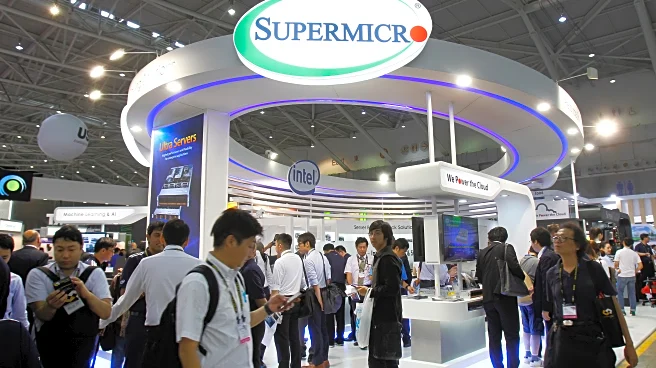
Yih-Shyan 'Wally' Liaw, a co-founder of Super Micro Computer, has resigned from the company's board following his indictment on charges of smuggling Nvidia AI chips into China. The indictment, unsealed by a federal court, names Liaw along with two others,
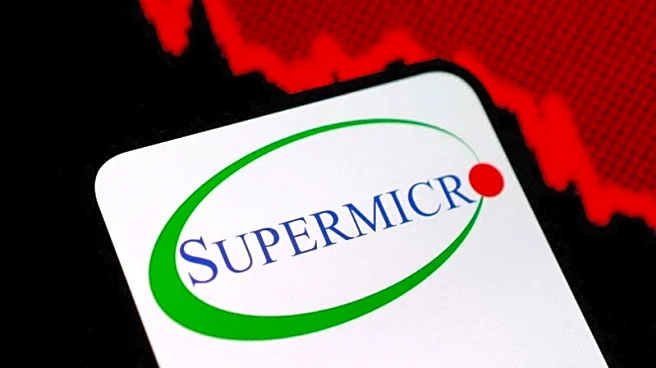
Ruei-Tsan 'Steven' Chang and Ting-Wei 'Willy' Sun, for allegedly using a Southeast Asian company to disguise the illegal export of servers. These servers, containing Nvidia GPUs, were reportedly sent to China without the necessary U.S. Commerce Department license. The indictment details how the defendants used 'dummy' servers to deceive compliance teams and U.S. export control officers. Super Micro has placed Liaw and Chang on administrative leave and ceased working with Sun. The company has appointed DeAnna Luna as acting chief compliance officer. Super Micro's shares fell by 33% following the news.
Why It's Important?
This development highlights significant legal and compliance challenges for Super Micro, a major player in the IT solutions industry. The indictment could have far-reaching implications for the company's operations and its reputation in the global market. The alleged smuggling of Nvidia chips, critical components in AI and computing, underscores the ongoing tensions and regulatory scrutiny in U.S.-China tech relations. The case also raises concerns about corporate governance and compliance within multinational corporations, particularly those involved in sensitive technology sectors. The financial impact is already evident with a sharp decline in Super Micro's stock value, reflecting investor concerns over potential legal penalties and operational disruptions.
What's Next?
The legal proceedings will continue with upcoming court appearances for the indicted individuals. Super Micro will likely face increased scrutiny from regulators and may need to implement stricter compliance measures to prevent future violations. The company might also engage in damage control efforts to restore investor confidence and stabilize its market position. Additionally, this case could prompt other tech companies to reassess their export compliance strategies, especially those dealing with sensitive technologies and international markets.