






What's Happening?
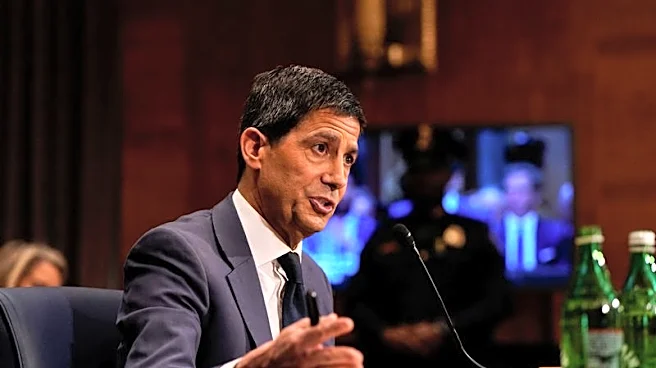
Kevin Warsh, the incoming Federal Reserve Chair, has sparked concern among international central banking peers with his recent comments on the Fed's independence in crisis-fighting roles abroad. Warsh suggested that the Fed's independence might not fully
extend to its international financial operations, indicating a need for closer collaboration with the presidential administration and Congress. This stance has unsettled global financial markets, as the U.S. dollar is a critical currency in stabilizing markets during financial stress. The Fed currently provides liquidity to several major central banks, including those in Europe, Canada, Japan, Britain, and Switzerland, to maintain market stability. Warsh's comments have led to questions about the Fed's ability to act swiftly in future crises, potentially affecting the global reliance on the dollar.
Why It's Important?
The Federal Reserve's role in providing liquidity to global markets is crucial for maintaining financial stability. Any perceived reduction in the Fed's independence or willingness to provide such support could lead to increased market volatility and a shift away from the dollar as the world's primary reserve currency. This could have significant implications for the U.S. economy, as a less reliable Fed might encourage other countries to diversify away from the dollar, impacting its global market share. Additionally, Warsh's approach could influence the Fed's policy decisions, potentially aligning them more closely with the current administration's economic goals, which may affect international financial relations and market dynamics.
What's Next?
Kevin Warsh is expected to be sworn in soon, but no specific date has been announced. The Fed's board has named Jerome Powell as chair pro tempore in the interim. As Warsh assumes his role, central banks and financial markets will closely monitor any policy changes or clarifications regarding the Fed's international operations. The potential for reduced access to dollar liquidity lines could prompt other countries to seek alternative financial arrangements, potentially accelerating the diversification away from the dollar. The Fed's future actions will be critical in determining the stability of global financial markets and the continued dominance of the dollar.
Beyond the Headlines
Warsh's comments highlight the delicate balance the Fed must maintain between domestic policy objectives and its international responsibilities. The Fed's actions have far-reaching implications, not only for the U.S. economy but also for global financial stability. Any shift in the Fed's approach could lead to significant changes in international monetary policy and financial market dynamics. The situation underscores the importance of maintaining a stable and predictable monetary policy framework to support both domestic and global economic growth.