







What's Happening?
The Bureau of Labor Statistics has reported a significant increase in wholesale prices for May, with the producer price index (PPI) rising by 1.1% on a seasonally adjusted basis. This increase surpassed economists' expectations, who had predicted a 0.7%
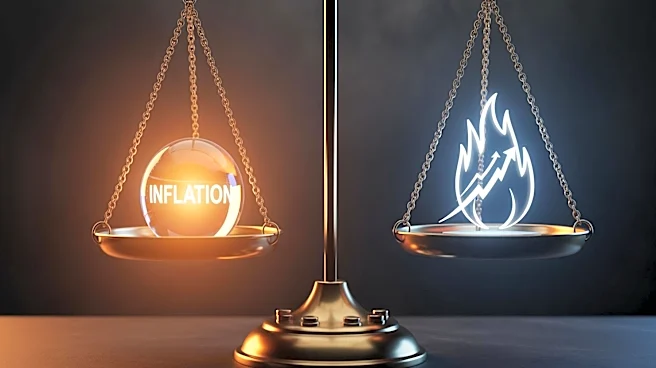
rise. The annual wholesale inflation rate now stands at 6.5%, marking the highest level since November 2022. A major factor contributing to this rise is the surge in energy prices, particularly gasoline, which saw a 23.4% increase at the wholesale level. The core PPI, which excludes food and energy, rose by 0.4%, slightly below the expected 0.5%. The report also highlighted a 2.8% increase in final demand goods prices, driven largely by energy costs. Additionally, portfolio management fees on the services side increased by 4.8%, reflecting a strong performance in the stock market during May.
Why It's Important?
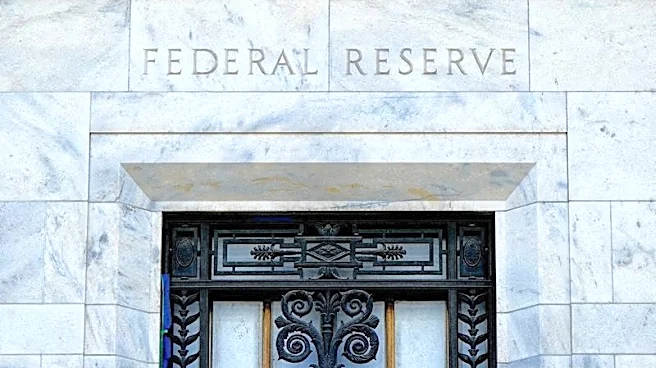
The unexpected rise in wholesale prices underscores the ongoing inflationary pressures within the U.S. economy, primarily driven by energy costs. This development is significant as it may influence the Federal Reserve's monetary policy decisions. The current inflationary environment suggests that the Federal Reserve is likely to maintain its current interest rate stance, with no immediate cuts expected. The market anticipates a potential rate hike by December, reflecting concerns over sustained inflation. The rise in energy prices, exacerbated by geopolitical tensions in the Middle East, poses challenges for economic stability and could impact consumer spending and business operations. The Federal Reserve's cautious approach aims to assess whether the energy supply shock will subside and inflation will return to the target rate of 2%.
What's Next?
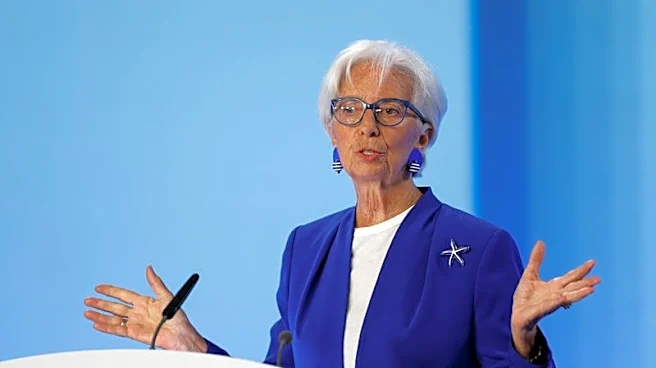
The Federal Reserve's Federal Open Market Committee is scheduled to release its next interest rate decision soon, with market expectations indicating a high probability of maintaining the current rates. The central bank is likely to monitor inflation trends closely, particularly the impact of energy prices, before making any policy adjustments. Meanwhile, the European Central Bank has already raised benchmark rates to counter inflation, highlighting differing approaches among global central banks. The U.S. Federal Reserve's strategy will focus on observing whether inflationary pressures ease over time, especially as the energy market stabilizes. Stakeholders, including businesses and consumers, will be watching for any signs of policy shifts that could affect economic conditions.