



What's Happening?
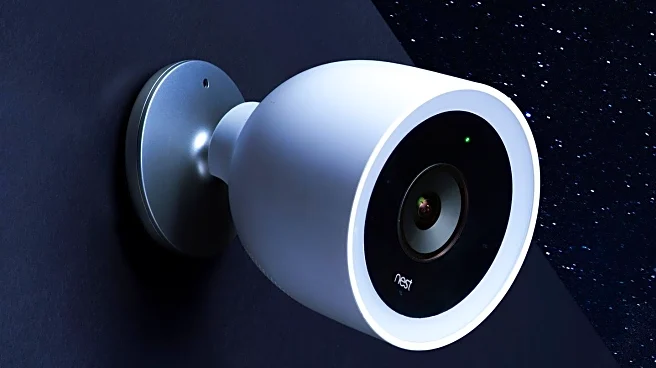
A BBC reporter has tested new AI anti-shoplifting technology being implemented by major retailers and independent stores. This technology includes AI body scans, CCTV, and facial recognition equipment designed to identify shoplifting incidents. However, civil liberty campaigners have raised concerns about the potential for these technologies to infringe on privacy rights, warning that individuals could be placed on 'secret watchlists' and electronically blacklisted from shopping areas. The government has stated that while commercial facial recognition is legal, its use must comply with strict data protection laws and be implemented transparently.
Why It's Important?
The introduction of AI anti-shoplifting technology represents a significant development in retail
security, potentially reducing theft and associated losses for businesses. However, the deployment of such technology raises important ethical and legal questions regarding privacy and data protection. The balance between enhancing security and protecting individual rights is a critical issue, with potential implications for consumer trust and the retail industry's reputation. The debate over the use of AI in public spaces is likely to intensify as more businesses adopt these technologies.
What's Next?
As AI anti-shoplifting technology becomes more widespread, there will likely be increased scrutiny from privacy advocates and regulatory bodies. Retailers may need to engage with stakeholders to address concerns and ensure compliance with data protection laws. The development of clear guidelines and transparency in the use of such technology will be crucial in maintaining public trust. Ongoing dialogue between technology developers, retailers, and civil liberty groups will be essential to navigate the ethical challenges posed by AI surveillance.