
What's Happening?
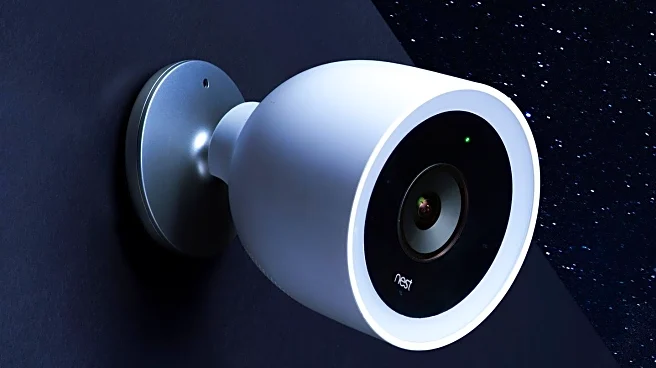
Smart home technology continues to advance, with a particular focus on the importance of video storage for home security systems. Many security cameras and video doorbells offer options for local or cloud
video storage, which often requires a purchase or subscription. Despite the cost, video storage is crucial for capturing and retaining footage that can be vital in emergencies or investigations. For instance, in the case of Nancy Guthrie's abduction, the absence of stored video footage from a doorbell camera hindered police efforts. Additionally, video storage enables advanced AI features that enhance security systems by providing detailed alerts and summaries, recognizing objects, and offering peace of mind when users are away from home.
Why It's Important?
The significance of video storage in smart home security systems lies in its ability to provide crucial evidence and enhance safety. Stored video footage can be instrumental in criminal investigations, such as identifying suspects or tracking lost pets. Moreover, the integration of AI features with video storage allows for more sophisticated monitoring, offering users detailed insights without needing to review footage manually. This technology not only improves security but also adds convenience, as users can receive alerts and summaries about activities around their homes. The growing reliance on smart home technology underscores the need for reliable video storage solutions, which can be a deciding factor in the effectiveness of home security systems.
What's Next?
As smart home technology evolves, the demand for more advanced and affordable video storage solutions is likely to increase. Companies may continue to develop AI-driven features that enhance the functionality of security systems, making them more appealing to consumers. Additionally, there may be a push for more secure and privacy-conscious storage options, addressing concerns about data usage and breaches. The industry could see a rise in competitive pricing and subscription models, making these technologies more accessible to a broader audience. As consumers become more aware of the benefits of video storage, adoption rates for smart home security systems are expected to grow.
Beyond the Headlines
The integration of AI in smart home security systems raises important ethical and privacy considerations. While AI can significantly enhance security features, it also involves the collection and analysis of personal data, which could be misused if not properly managed. Companies must ensure that their AI technologies are transparent and that users have control over their data. Additionally, as these technologies become more widespread, there may be a need for regulatory frameworks to protect consumer privacy and ensure ethical use of AI in home security. The balance between innovation and privacy will be a critical issue as the industry progresses.