


What's Happening?
TotalEnergies, a French energy company, has decided to reallocate nearly $1 billion from its US offshore wind projects to oil and natural gas investments. This decision follows an agreement with the US Department of the Interior (DoI), which allows TotalEnergies to abandon
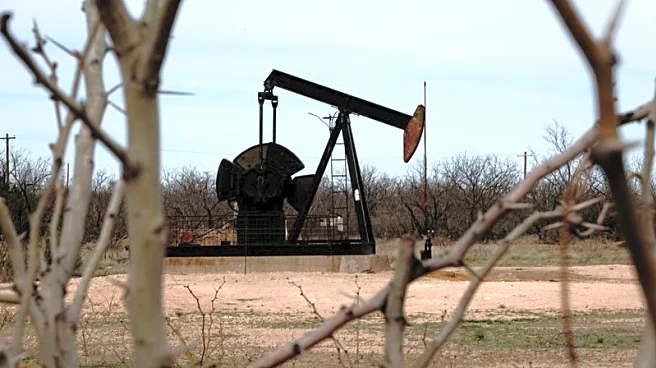
its previous offshore wind leases. The company will instead focus on more cost-effective natural gas projects. Under the agreement, the US will reimburse TotalEnergies for its lease payments on two offshore wind projects: the Carolina Long Bay lease and the New York Bight lease, which required payments of $133 million and $795 million, respectively. TotalEnergies plans to invest the refunded amount into US oil, natural gas, and liquefied natural gas (LNG) production, including the development of the Rio Grande LNG facility in Texas and expansion of oil and shale gas activities in the Gulf of Mexico.
Why It's Important?
This strategic shift by TotalEnergies highlights a significant pivot in energy investment priorities, reflecting broader industry trends. By moving away from offshore wind projects, TotalEnergies is aligning with the current US administration's energy policy, which may prioritize natural gas as a transitional energy source. This decision could impact the US energy landscape by potentially increasing domestic gas production and exports, particularly to Europe, which is in need of LNG supplies. The move also underscores the challenges and financial considerations associated with developing offshore wind projects, which may be seen as less economically viable compared to traditional fossil fuel investments.
What's Next?
TotalEnergies' reallocation of funds is expected to bolster US gas production and export capabilities. The company has already signed a letter of intent with Glenfarne, the developer of Alaska LNG, for a long-term purchase agreement, conditional on final investment approval. This could lead to increased LNG exports to Europe and support for US data center development. The decision may also prompt other energy companies to reassess their investment strategies in renewable energy versus traditional fossil fuels, potentially influencing future energy policy and market dynamics.