







What's Happening?
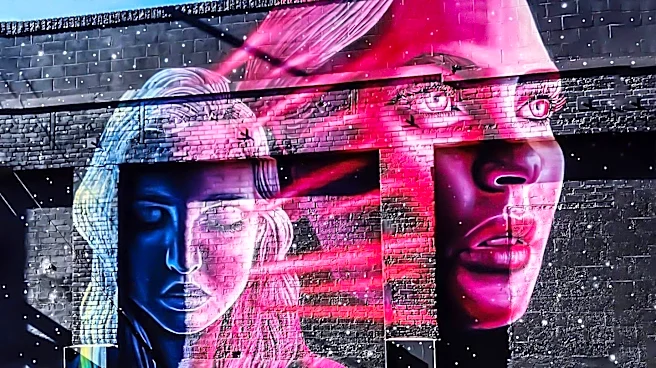
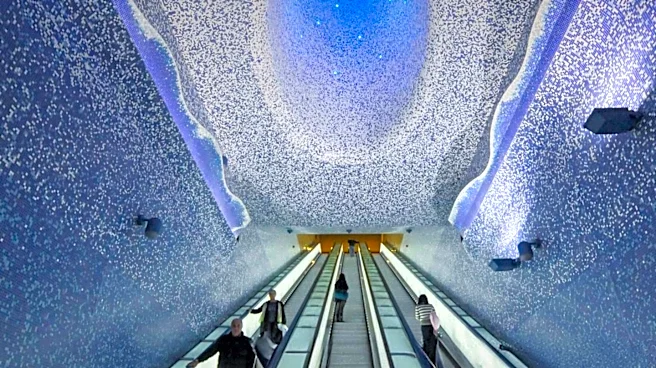
The Los Angeles Metro has unveiled nine new public artworks at its three new D Line extension stations, connecting downtown Los Angeles to Beverly Hills. The installations, created by artists such as Mariana Castillo Deball, Eamon Ore-Giron, and Todd
Gray, aim to provide a 'world-class experience' for riders. The artworks incorporate elements of the local culture, history, and architecture, with a focus on community engagement. The project is part of Metro's broader initiative to enhance public spaces and encourage exploration of the neighborhoods along the new subway route.
Why It's Important?
The integration of public art into the L.A. Metro system reflects a commitment to enhancing urban environments and making public transportation more appealing. By incorporating site-specific artworks, Metro aims to create a unique cultural experience for commuters, potentially increasing ridership and fostering a sense of community. This initiative also highlights the role of public art in urban development, contributing to the cultural and aesthetic value of public spaces. The project may serve as a model for other cities looking to integrate art into their transit systems.
What's Next?
As the D Line extension continues to develop, Metro plans to open additional stations by 2027, further expanding the reach of the public art program. The success of this initiative could lead to similar projects in other parts of the city, promoting the integration of art into public infrastructure. Metro's approach may inspire other transit agencies to consider the cultural and social benefits of incorporating art into their systems, potentially leading to a broader movement towards art-enhanced public spaces.
Beyond the Headlines
The inclusion of public art in the L.A. Metro system raises questions about the role of art in public life and its potential to influence urban identity. By engaging with local artists and communities, Metro is fostering a dialogue about the cultural significance of public spaces. This initiative may encourage a reevaluation of how cities can use art to reflect and celebrate their unique histories and identities, contributing to a more vibrant and inclusive urban landscape.