

What's Happening?
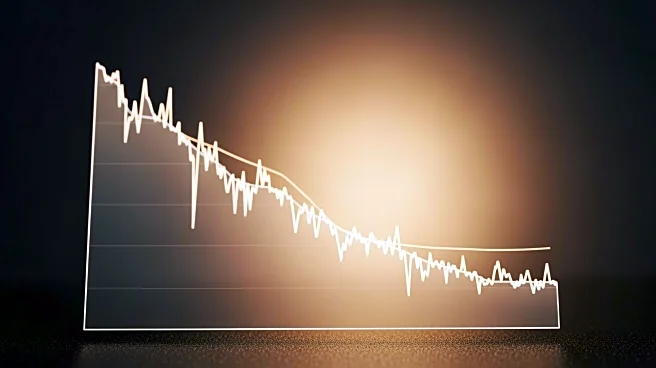
The US economy experienced slower growth than initially reported in the fourth quarter of 2025, with the GDP expanding at an annualized rate of 0.7%, down from the previously estimated 1.4%. This slowdown is attributed to reduced consumer spending, government
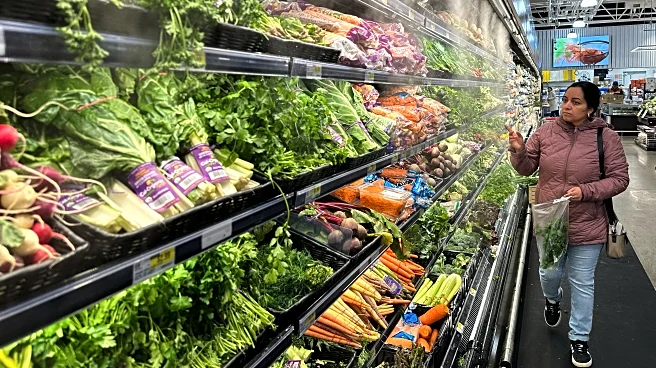
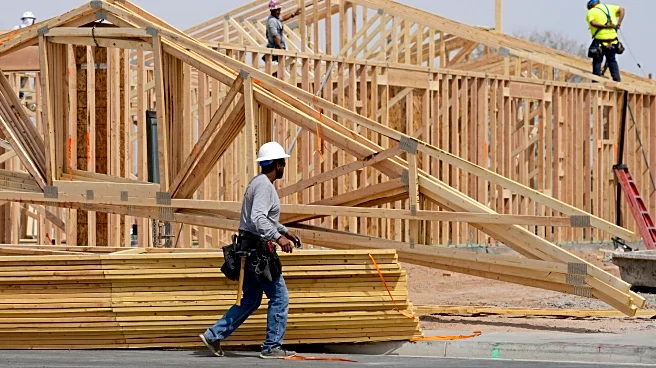
outlays, and exports. The revision comes as the US faces economic challenges, including rising inflation and a precarious labor market. The unemployment rate increased to 4.4% in February, with 92,000 jobs lost. Consumer spending remained steady at a 0.4% rate in January, but concerns about job security are affecting consumer confidence.
Why It's Important?
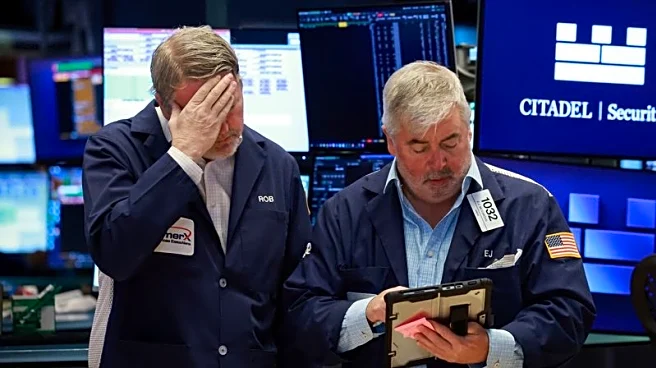
The revised GDP figures highlight the fragility of the US economy as it navigates multiple challenges, including inflation and geopolitical tensions. The slower growth rate underscores the impact of reduced consumer and government spending, which are critical components of economic activity. Rising inflation, driven by increased energy prices and other factors, poses a risk to economic stability and consumer purchasing power. The Federal Reserve's efforts to manage inflation will be crucial in maintaining economic growth and stability.
What's Next?
The US economy will need to address the underlying factors contributing to slower growth and rising inflation. Policymakers may consider measures to stimulate economic activity and support job creation. The Federal Reserve will likely continue to monitor inflation trends closely and adjust monetary policy as needed to maintain price stability. The ongoing geopolitical tensions, particularly the conflict with Iran, will also play a significant role in shaping economic conditions in the coming months.