




What's Happening?
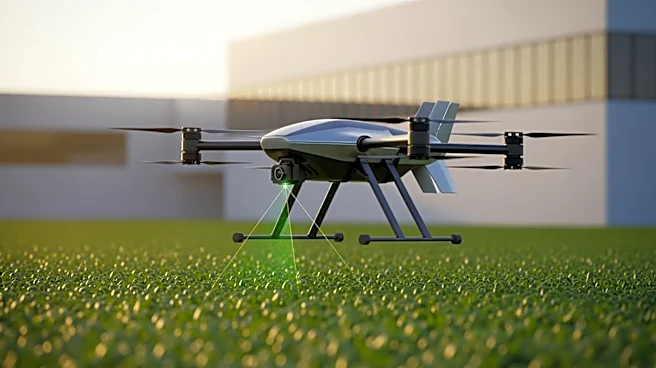
The agricultural industry is witnessing a shift as startups develop alternatives to traditional chemical farming methods. With rising costs and health concerns associated with chemical inputs like herbicides and fertilizers, companies are exploring innovative
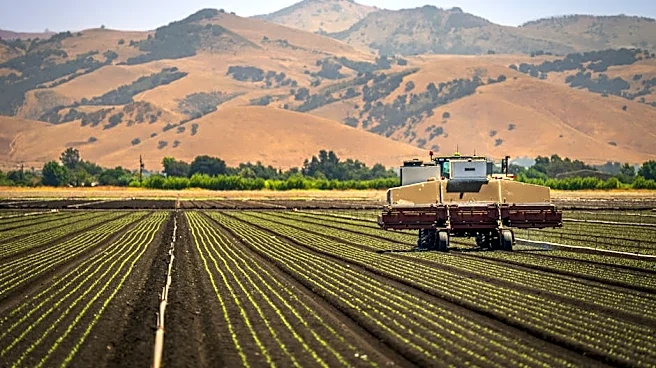
solutions. Verdant Robotics, for instance, has introduced the Aim & Apply platform, which uses AI to precisely target and apply inputs, reducing waste and potentially harmful exposure. This technology allows for more efficient use of resources and supports organic and regenerative farming practices. Other startups, such as Inari, are leveraging AI and genomics to design crops that require fewer chemical inputs, aiming to enhance sustainability and reduce dependency on traditional methods.
Why It's Important?
The move towards alternative farming methods is significant for several reasons. Economically, it addresses the rising costs and diminishing returns of chemical inputs, offering farmers more sustainable and cost-effective solutions. Environmentally, reducing reliance on chemicals can decrease pollution and health risks associated with their use. This shift also aligns with consumer demand for organic and sustainably produced food, potentially opening new markets for farmers. The integration of AI and biotechnology in agriculture could lead to more resilient crop varieties, further enhancing food security and sustainability. These innovations represent a critical step in addressing the challenges posed by climate change and resource scarcity.
What's Next?
As these technologies develop, the agricultural sector may see increased adoption of AI-driven and biologically engineered solutions. This could lead to a broader transformation in farming practices, with more emphasis on precision agriculture and sustainable methods. Regulatory bodies may need to adapt to these changes, ensuring that new technologies are safe and effective. Additionally, there may be increased collaboration between tech companies and traditional agricultural stakeholders to integrate these innovations into existing systems. The success of these startups could also inspire further investment in agtech, driving continued innovation and potentially reshaping the industry.
Beyond the Headlines
The shift towards alternative farming methods raises important ethical and cultural questions. As technology becomes more integrated into agriculture, issues of data privacy and ownership may arise, particularly concerning genetic information. There is also the potential for economic disparity, as smaller farms may struggle to afford new technologies without financial support. Culturally, the move away from traditional farming practices may face resistance from those who value conventional methods. However, the potential benefits in terms of sustainability and health could outweigh these challenges, leading to a more resilient and equitable food system.