
What's Happening?
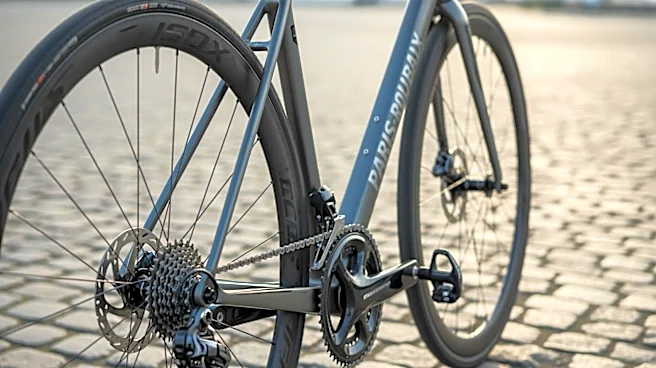
Tadej Pogačar, a Slovenian cyclist, has made significant modifications to his bike in preparation for the Paris-Roubaix race. Known for its challenging cobblestone sections, Paris-Roubaix demands specialized
equipment. Pogačar's bike features larger tires, aftermarket thru-axles, and a minimalist paint job to reduce weight. These changes aim to improve his chances of securing a victory in this prestigious event. The bike's setup includes a single front chainring for aerodynamic efficiency and a K-Edge chain keeper for security. Pogačar's modifications reflect a strategic approach to overcoming the race's unique challenges.
Why It's Important?
The modifications made by Pogačar highlight the importance of equipment optimization in competitive cycling. Paris-Roubaix is one of the most demanding races, and success often hinges on the ability to adapt to its rough terrain. Pogačar's approach could influence other cyclists and teams to prioritize technical adjustments for performance enhancement. This focus on equipment innovation underscores the evolving nature of cycling strategies, where technological advancements play a crucial role in achieving competitive advantages. The outcome of Pogačar's efforts may set a precedent for future races, emphasizing the significance of tailored equipment in sports.
What's Next?
As Pogačar prepares for Paris-Roubaix, the cycling community will closely watch his performance to assess the effectiveness of his bike modifications. Success in the race could lead to wider adoption of similar strategies among competitors. Teams may invest more in research and development to optimize equipment for specific race conditions. Additionally, Pogačar's performance could influence sponsorship and marketing strategies, as brands seek to associate with innovative athletes. The race results will likely impact future equipment choices and training methods, shaping the competitive landscape of cycling.
Beyond the Headlines
Pogačar's bike modifications reflect broader trends in sports technology and innovation. The emphasis on lightweight materials and aerodynamic efficiency aligns with advancements in other sports, where equipment plays a pivotal role in performance. This focus on technology raises questions about the balance between human skill and technological aid in sports. As athletes increasingly rely on equipment enhancements, ethical considerations regarding fairness and accessibility may arise. The cycling community may need to address these issues to ensure equitable competition and maintain the integrity of the sport.