






What's Happening?
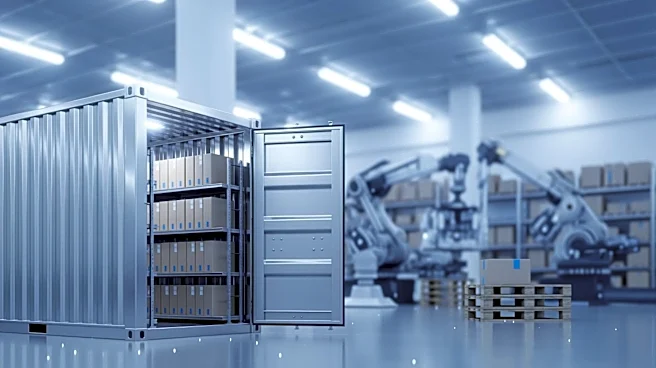
Amazon has introduced a series of new tools aimed at enhancing e-commerce capabilities for merchants. Among these is the launch of Supply Chain Services, which extends Amazon's freight, distribution, fulfillment, and parcel shipping solutions to all businesses,
allowing sellers to access a centralized console for these services. Additionally, Amazon Business has expanded its offerings to include Same-Day Delivery of groceries in 2,300 U.S. cities, providing a wide range of products from national and local brands. These developments are part of a broader trend in the e-commerce sector to integrate advanced technology and improve customer experiences. Other companies, such as Klaviyo and Experian, are also introducing new AI-driven tools to enhance customer interactions and secure transactions.
Why It's Important?
The expansion of Amazon's e-commerce tools signifies a significant shift in the retail landscape, emphasizing the importance of logistics and customer service in maintaining competitive advantage. By offering comprehensive supply chain solutions and expanding grocery delivery, Amazon is positioning itself as a one-stop-shop for businesses looking to streamline operations and enhance customer satisfaction. This move could potentially disrupt traditional retail models and force competitors to innovate in order to keep pace. The integration of AI and other technologies by companies like Klaviyo and Experian further highlights the growing reliance on digital solutions to meet consumer demands and secure transactions, which could lead to increased efficiency and reduced costs for businesses.
What's Next?
As Amazon and other companies continue to roll out new e-commerce tools, businesses may need to adapt quickly to leverage these technologies effectively. The focus on AI and supply chain optimization suggests that future developments will likely center around further enhancing customer experience and operational efficiency. Companies that can successfully integrate these tools into their operations may gain a competitive edge in the market. Additionally, the expansion of grocery delivery services could lead to increased competition in the food retail sector, prompting traditional grocery stores to explore partnerships or technological upgrades to remain competitive.