
What's Happening?
Dove has launched an innovative campaign to address the impact of social media algorithms on beauty standards. The company installed 'The Beauty Machine' at London's Waterloo Station, a vending machine
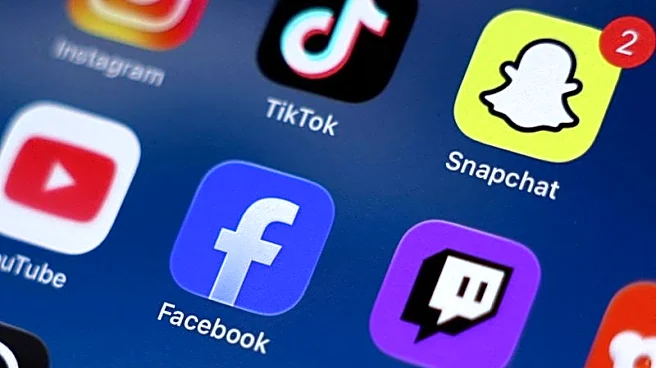
that mimics the role of social media algorithms in promoting unrealistic beauty ideals. This initiative is part of Dove's long-standing 'Real Beauty' campaign, which aims to broaden beauty representation and reduce anxiety related to beauty standards. The vending machine, created in collaboration with Ogilvy and filmmaker Lauren Greenfield, dispenses images that reflect the homogenized beauty ideals perpetuated by social media. This campaign follows Dove's previous efforts to challenge digital distortion and unhealthy beauty content, such as their response to TikTok's Bold Glamour filter and Facebook's internal data on Instagram's impact on body image.
Why It's Important?
The campaign underscores the growing concern over the influence of social media on beauty perceptions, particularly among women and girls. By highlighting how algorithms can create a narrow beauty ideal, Dove is drawing attention to the pressures faced by individuals to conform to these standards. This initiative is significant as it not only raises awareness but also encourages public discourse on the ethical implications of algorithmic bias in beauty representation. The campaign's interactive element, inviting women to share unfiltered photos, promotes self-acceptance and challenges the status quo. This could potentially influence other brands and platforms to reconsider how beauty is portrayed and marketed, leading to a more inclusive and diverse representation in media.
What's Next?
Dove's campaign is likely to spark further discussions on the role of technology in shaping beauty standards. As more individuals engage with the campaign, there may be increased pressure on social media platforms to address algorithmic biases and promote diverse beauty representations. Additionally, other brands might follow Dove's lead in creating campaigns that challenge unrealistic beauty ideals. The success of this initiative could also encourage policymakers to consider regulations on digital content that affects body image and mental health. As the conversation around beauty standards evolves, there may be a shift towards more authentic and inclusive representations in advertising and media.