







What's Happening?
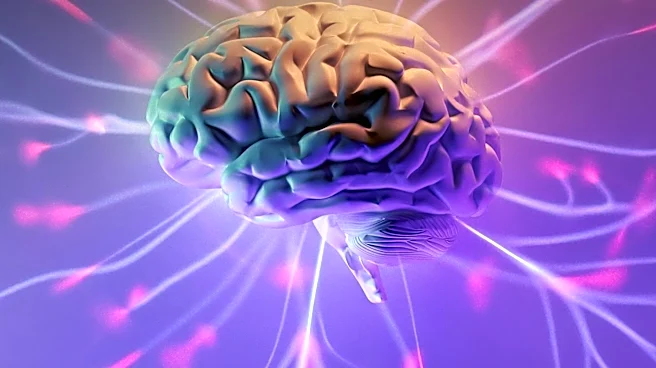
A recent exploration into the concept of neuroplasticity reveals that the human brain's ability to change and adapt is not limited to recovery from injury but is a continuous process throughout life. This understanding challenges the long-held belief
that personality traits are fixed after a certain age. The article discusses how individuals often perceive their personality as a finished product, leading to a maintenance mindset rather than viewing themselves as a living system capable of change. The author shares personal insights on how recognizing neuroplasticity has shifted their approach to self-understanding, emphasizing the importance of treating patterns as behaviors subject to change rather than fixed definitions.
Why It's Important?
The recognition of neuroplasticity as a lifelong process has significant implications for personal development and mental health. It suggests that individuals have the potential to alter their behaviors and personality traits through deliberate practice and attention. This understanding can empower people to break free from limiting self-perceptions and embrace change as a natural part of life. It also highlights the importance of mental health practices that focus on behavior modification and cognitive flexibility. By acknowledging the brain's capacity for change, individuals can adopt a more dynamic approach to personal growth and well-being.