


What's Happening?
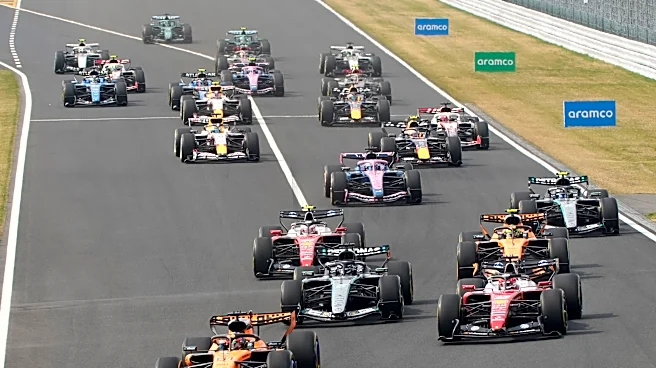
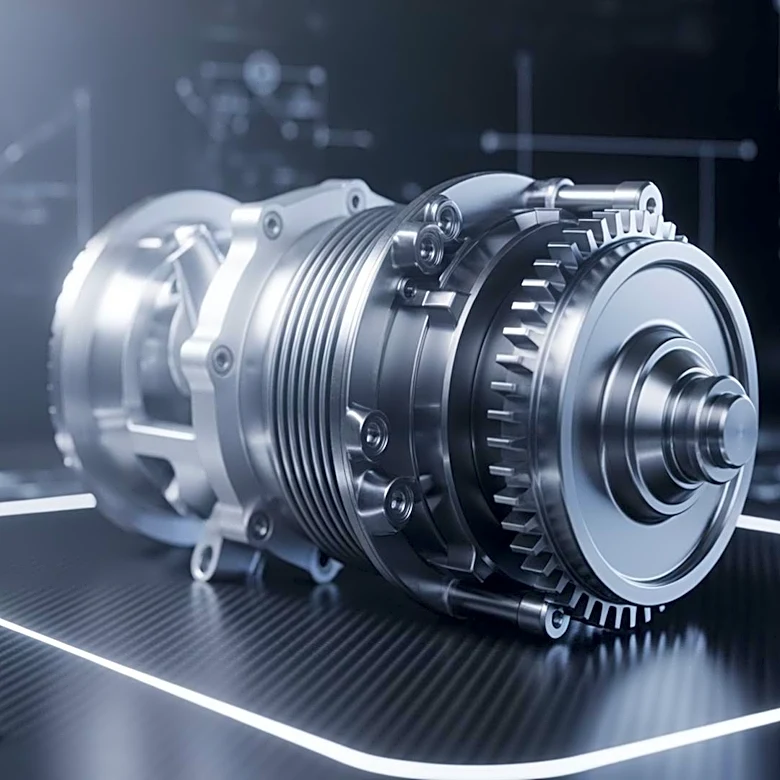
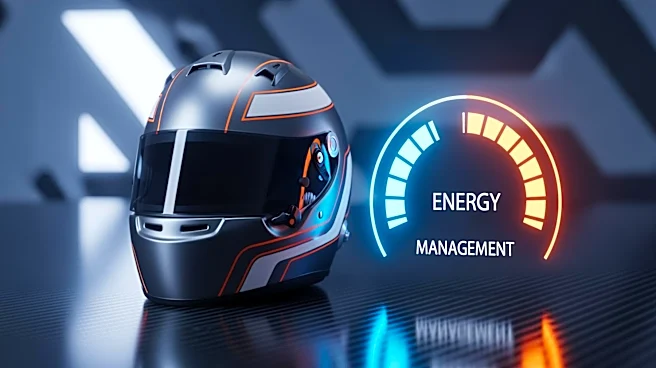
The FIA has announced a series of adjustments to the 2026 Formula 1 regulations, focusing on energy management and safety. These changes include reducing the harvesting limit from eight megajoules to seven, aiming to decrease reliance on electrical power
and increase the role of combustion engines. The adjustments are intended to make races more exciting by encouraging drivers to push their cars to the limits of unassisted performance. The tweaks also address safety concerns by modifying MGU-K deployment and energy recovery processes.
Why It's Important?
The regulation changes are significant as they aim to balance the use of electric and combustion power in Formula 1, potentially altering race dynamics and strategies. By reducing the reliance on electrical power, the FIA hopes to enhance the spectacle of racing, making it more engaging for fans. These changes could also influence the development of hybrid technologies in the automotive industry, as teams innovate to meet the new requirements. The focus on safety improvements reflects ongoing efforts to protect drivers and maintain the integrity of the sport.
What's Next?
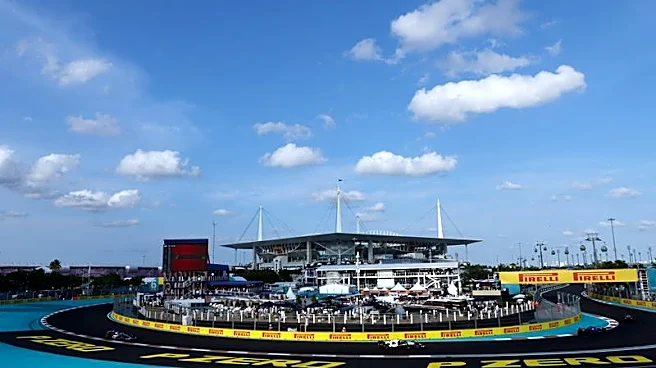
The new regulations will be implemented starting with the 2026 Miami Grand Prix. Teams will need to adapt their strategies and vehicle designs to comply with the changes, which could lead to shifts in the competitive landscape. The FIA will monitor the impact of these adjustments and may consider further modifications based on their effectiveness. Fans and stakeholders will be watching closely to see how these changes affect the performance and excitement of Formula 1 races.