






What's Happening?
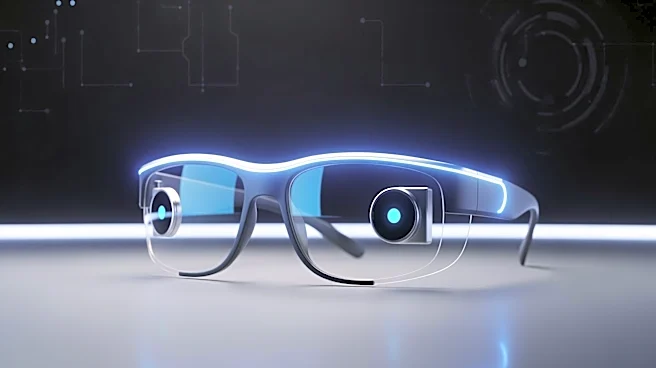
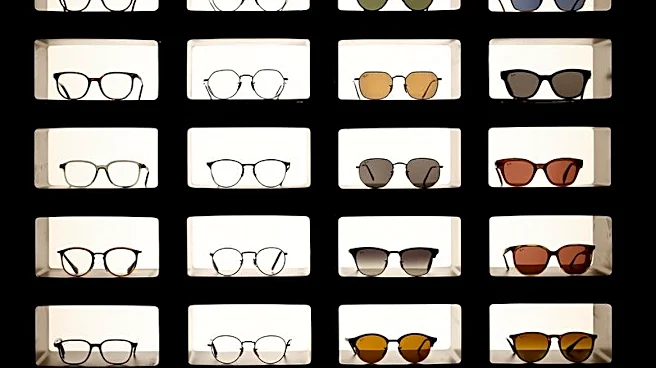
In 2026, the augmented reality (AR) smart glasses market is witnessing significant developments with major players like Meta and Snap introducing new products. Meta has launched two new Ray-Ban models that support prescription lenses, priced at $499,
making AR more accessible to eyeglass wearers. Snap is re-entering the market with a new generation of Specs, focusing on AI and social capture, expected to launch later this year. Google has partnered with Warby Parker to distribute AI glasses, while Gucci plans to release luxury Google-powered glasses next year. Xreal has reduced the price of its One Pro model to $599, aiming to make AR more affordable. These developments indicate a shift from novelty to practical, everyday use of AR technology.
Why It's Important?
The introduction of these new AR smart glasses models is pivotal for the technology's mainstream adoption. By offering prescription compatibility and more affordable options, companies like Meta and Xreal are broadening the potential user base. The partnership between Google and Warby Parker, as well as Gucci's entry into the market, highlights the growing intersection of fashion and technology, potentially reducing the stigma associated with wearing smart glasses. This could lead to increased consumer acceptance and drive further innovation in the AR space. The competitive pricing and diverse offerings are likely to accelerate the pace of technological advancements and market penetration.
What's Next?
As these products hit the market, consumer response will be crucial in determining the future direction of AR smart glasses. Retail trials and consumer feedback will likely influence future iterations and feature updates. The competition among major tech companies and fashion brands is expected to intensify, potentially leading to more collaborations and innovations. The success of these products could also encourage other companies to enter the market, further diversifying the options available to consumers.