


What's Happening?
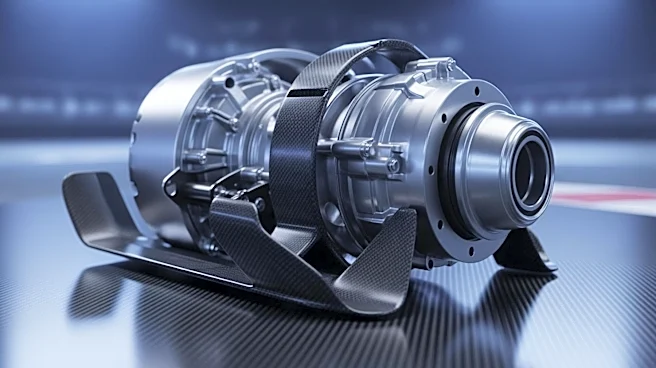
The FIA has announced significant changes to Formula 1 power units set to take effect in 2027. This decision follows a meeting involving team principals, Formula One Management, and power unit manufacturers such as Mercedes, Ferrari, Red Bull Powertrains,
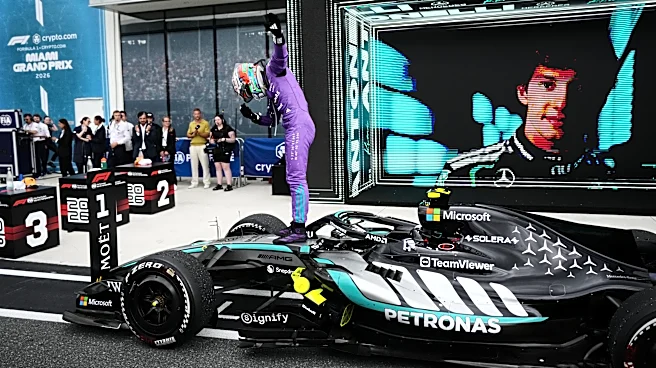
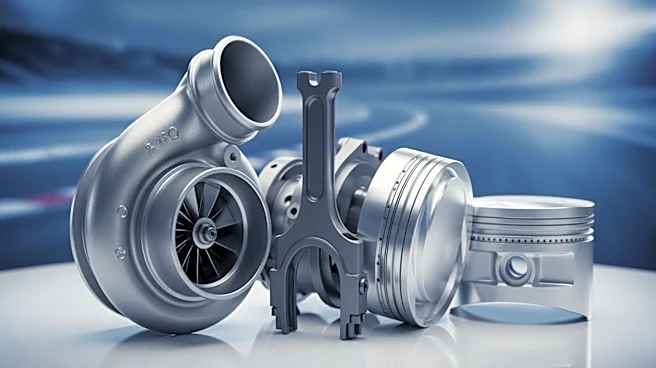
Audi, and Honda. The changes are a response to driver feedback and aim to enhance safety and competition. The modifications include an increase in Internal Combustion Engine (ICE) power by approximately 50kW and a reduction in Energy Recovery System (ERS) deployment power by the same amount. These adjustments are intended to improve the racing experience and address concerns raised during the Miami Grand Prix. The FIA plans to present these regulatory changes for a World Motor Sport Council e-vote after further discussions with technical groups.
Why It's Important?
The proposed changes to F1 power units are crucial for maintaining the sport's competitive edge and addressing safety concerns. By increasing ICE power and reducing ERS deployment, the FIA aims to create a more balanced and exciting racing environment. This move could potentially enhance the spectacle of F1 races, attracting more fans and increasing viewership. Additionally, the changes reflect the FIA's commitment to incorporating driver feedback into regulatory decisions, which could lead to more driver-friendly regulations in the future. The involvement of major manufacturers in these discussions underscores the importance of collaboration in shaping the future of motorsport.
What's Next?
The next steps involve further technical discussions among teams and power unit manufacturers to finalize the details of the proposed changes. Once refined, these changes will be presented for a World Motor Sport Council e-vote. The FIA will continue to evaluate the impact of recent modifications introduced at the Miami Grand Prix, with plans to implement additional safety measures at future events. These developments will be closely monitored by teams, drivers, and fans, as they could significantly influence the dynamics of F1 racing in the coming years.