



What's Happening?
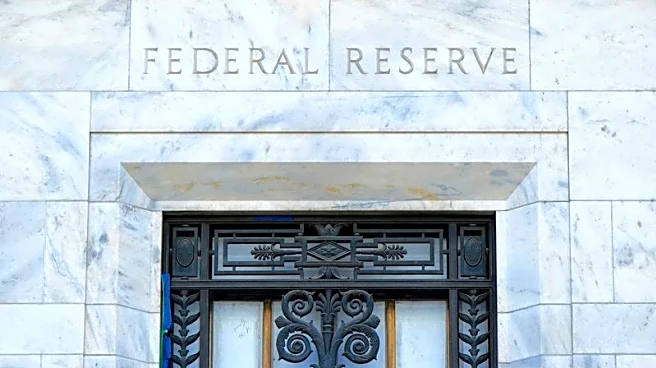
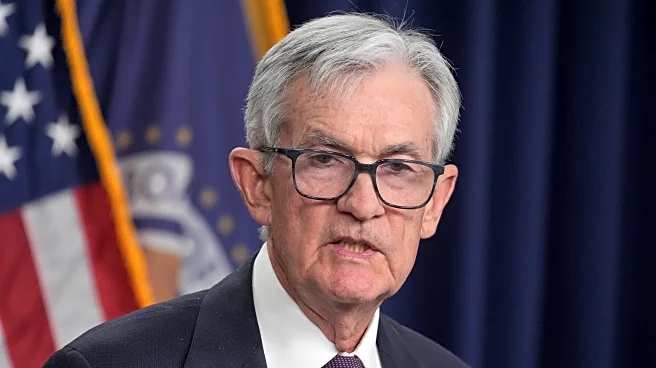
The Federal Reserve is set to meet to discuss interest rates as the U.S. faces economic challenges, including a softening job market and inflation pressures exacerbated by the ongoing conflict in Iran. The February jobs report showed a loss of 92,000
jobs, complicating the Fed's decision-making process. The conflict in Iran has led to increased energy prices, adding to inflation concerns. The Fed's decision will be closely watched as it balances the need to support employment with controlling inflation.
Why It's Important?
The Fed's decision on interest rates will have significant implications for the U.S. economy, affecting borrowing costs, consumer spending, and business investment. The current economic environment presents a complex challenge for policymakers, as they must navigate the dual pressures of a weakening job market and rising inflation. The outcome of the Fed's meeting could influence economic growth and stability, impacting various sectors and stakeholders.
What's Next?
The Fed's decision will likely influence financial markets and economic forecasts. Policymakers may need to consider additional measures to address the economic impact of the conflict in Iran and other global factors. The ongoing situation in Iran and its effects on energy prices will remain a critical factor in future economic assessments. Stakeholders, including businesses and consumers, will be closely monitoring the Fed's actions and statements for guidance on economic conditions.