

What's Happening?
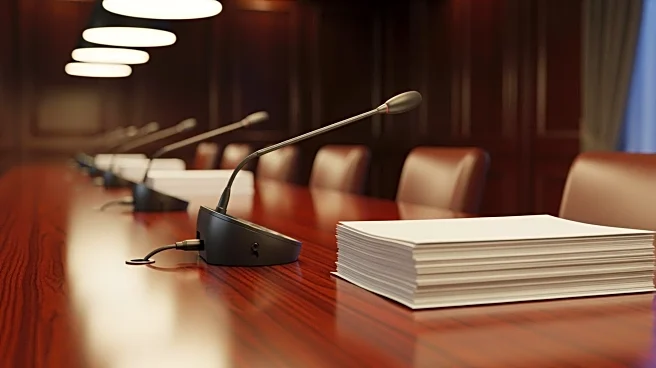
The NFL Referees Association (NFLRA) has accused the NFL of disseminating false and misleading information regarding ongoing Collective Bargaining Agreement negotiations. The NFLRA claims that league sources are avoiding direct negotiations and instead
spreading misinformation. The association highlights the disparity in compensation and benefits between NFL officials and their counterparts in other major sports leagues, such as baseball and basketball. Despite working for the wealthiest sports league in America, NFL officials reportedly receive lower pay and lack healthcare benefits. The NFLRA also criticizes the league's performance pay system, noting that officials who worked high-profile games like the Super Bowl were compensated less than for regular-season games. The NFLRA's statement comes as the league prepares for potential replacement officials, should a lockout occur.
Why It's Important?
The dispute between the NFL and its referees could have significant implications for the integrity of the game. If the NFL proceeds with hiring replacement officials, it may affect the quality of officiating and the overall fairness of games. The NFLRA's concerns about compensation and benefits highlight broader issues of labor relations within professional sports, where workers often face challenges in securing equitable treatment. The outcome of these negotiations could set a precedent for future labor discussions in the sports industry, influencing how leagues manage their workforce and address compensation disparities. Additionally, the potential use of replacement officials could impact fan perception and trust in the league's commitment to maintaining high standards of officiating.
What's Next?
The NFL and NFLRA are expected to continue negotiations, with the league reportedly setting a deadline of May 1 for reaching an agreement. If no deal is reached by this date, the NFL may proceed with hiring replacement officials, which could lead to a lockout. Both parties will need to navigate the complexities of labor negotiations, balancing economic considerations with the need to maintain the integrity of the game. Stakeholders, including team owners, players, and fans, will be closely monitoring the situation, as the outcome could have far-reaching consequences for the league's operations and reputation.
Beyond the Headlines
The conflict between the NFL and its referees underscores the ongoing challenges in labor relations within professional sports. The disparity in compensation and benefits raises ethical questions about the treatment of workers in a highly profitable industry. The potential use of replacement officials also highlights the risks associated with prioritizing economic interests over the quality and fairness of the game. As the NFL navigates these negotiations, it must consider the long-term implications for its relationship with officials and the broader sports community. The situation may prompt discussions about the need for more equitable labor practices and the importance of maintaining high standards in sports officiating.