



What's Happening?
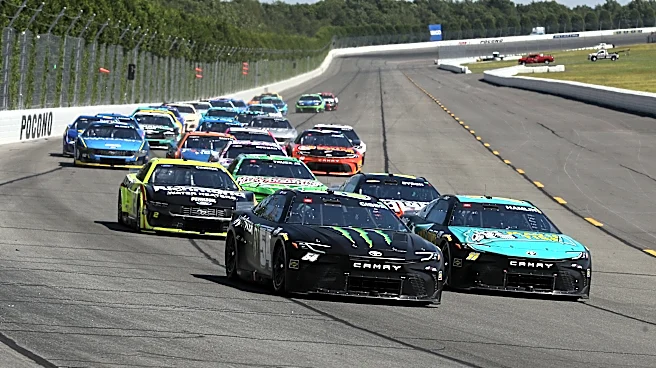
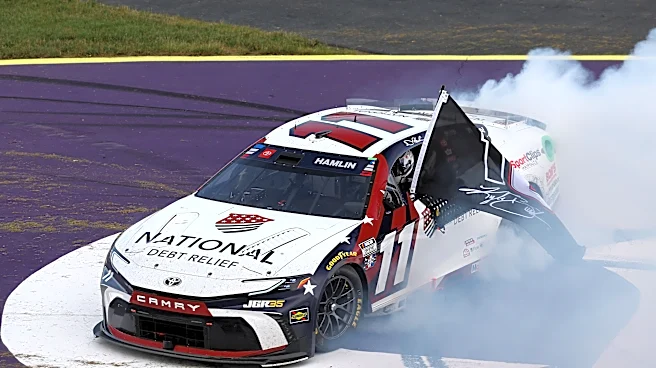
Christopher Bell, a NASCAR driver, has credited the sport's safety measures for allowing him to continue racing after a severe crash at Michigan International Speedway. The crash, which resulted in a broken left wrist for Bell, was recorded as the hardest
impact in the Next Gen era. Despite the injury, Bell plans to race at Pocono Raceway, using a modified steering wheel to accommodate his cast. The crash involved a significant change in velocity, described as the largest since the current Cup car's debut in 2022. Bell's ability to race is attributed to the advancements in safety equipment and protocols, which have been developed over years of learning from past incidents.
Why It's Important?
The incident highlights the critical role of safety innovations in motorsports, which have significantly reduced the risk of severe injuries and fatalities. Bell's case demonstrates the effectiveness of these measures, potentially influencing future safety standards and car designs. The ability to continue racing after such a crash can affect team strategies, sponsorships, and the competitive dynamics within NASCAR. This situation also emphasizes the importance of ongoing research and development in safety technologies, which can have broader implications for automotive safety beyond the racetrack.
What's Next?
As Bell competes with his injury, NASCAR and his team will evaluate his performance and health, potentially leading to further safety enhancements. The incident may prompt discussions on adaptive technologies for injured drivers and influence future regulations. Bell's experience could also impact his standings in the NASCAR Cup Series, affecting team dynamics and playoff qualifications. The broader NASCAR community may use this event to advocate for continued investment in safety research and development.