



What's Happening?
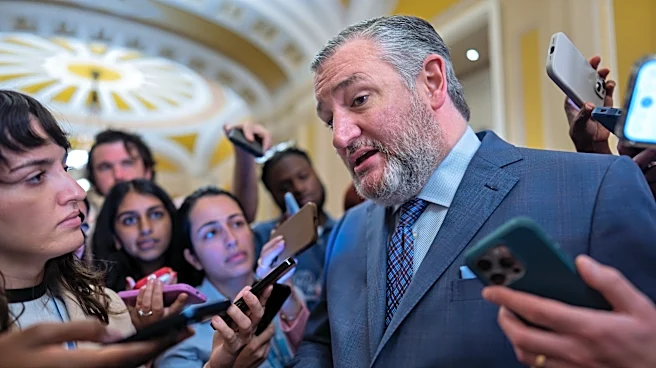
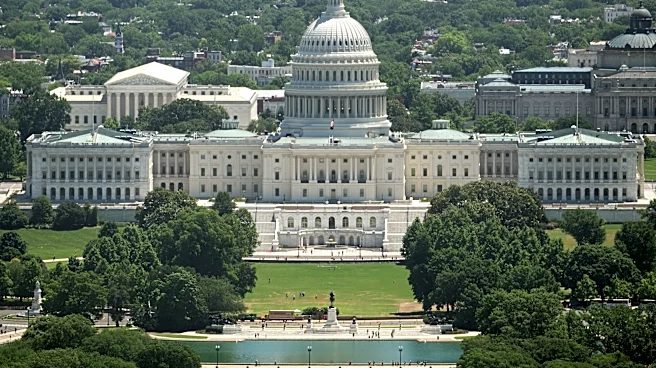
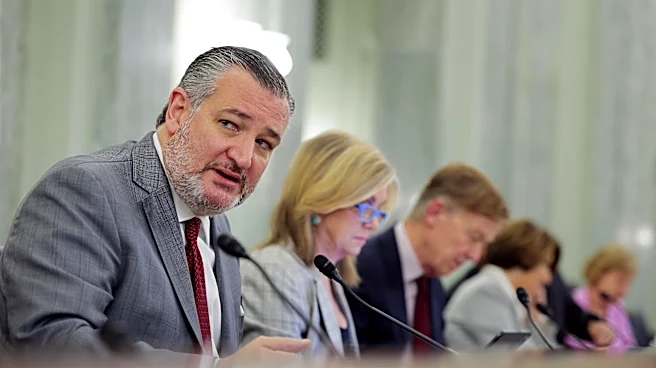
The Senate Commerce Committee is set to hold a hearing on the Protect College Sports Act, a bipartisan bill aimed at addressing issues within college sports. The legislation seeks to provide a partial solution to problems stemming from antitrust violations
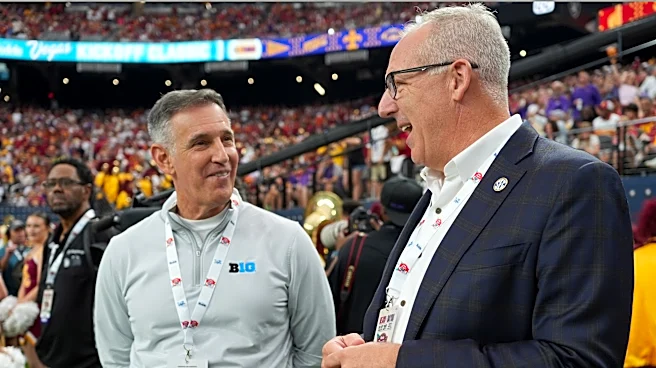
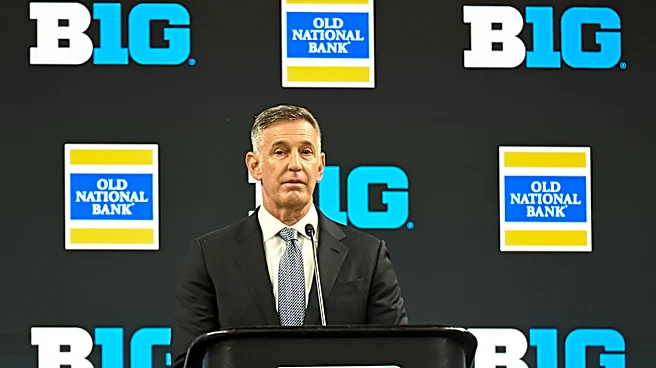
by the NCAA and its member universities, which have historically restricted players from sharing in the revenues they generate. However, the Big Ten and Southeastern Conference have issued a joint statement opposing the bill, citing unresolved issues such as the lack of preemption of state laws and inadequate protections for consistent rule enforcement. They argue that the bill could increase litigation and alter revenue-sharing frameworks, potentially reducing direct payments to student-athletes. The conferences express a willingness to work with Congress to improve the legislation for lasting stability in college athletics.
Why It's Important?
The Protect College Sports Act is significant as it attempts to address longstanding issues in college sports, particularly the financial compensation of student-athletes. The opposition from major conferences highlights the complexity of creating a national framework that balances the interests of universities, athletes, and legal standards. The bill's potential to increase litigation and affect revenue-sharing could have far-reaching implications for college sports programs across the country. If unresolved, these issues could lead to the shuttering of sports programs and reduced opportunities for student-athletes. The debate underscores the need for a sustainable solution that aligns with federal laws and provides fair compensation to athletes.
What's Next?
The Senate Commerce Committee will continue to gather feedback from stakeholders, including the Big Ten and SEC, to refine the Protect College Sports Act. The committee aims to address the concerns raised by the conferences and work towards a consensus on a national framework for college sports. The ongoing discussions may lead to amendments to the bill that better address the legal and financial complexities involved. Stakeholders, including universities and student-athletes, will likely continue to advocate for their interests as the legislative process unfolds.
Beyond the Headlines
The debate over the Protect College Sports Act highlights broader ethical and legal questions about the treatment of student-athletes as employees. The call for 'honest conversations' about collective bargaining and antitrust exemptions reflects a shift towards recognizing athletes' rights within the collegiate system. This could lead to long-term changes in how college sports are governed and how athletes are compensated, potentially setting a precedent for other industries facing similar labor issues.