

What's Happening?
The Agricultural Biotechnology Market is experiencing significant growth, with projections indicating an increase from USD 247.77 billion in 2024 to USD 632.93 billion by 2035. This growth is driven by a compound annual growth rate (CAGR) of 8.9%. The expansion is attributed to the increasing integration of advanced genetic and molecular technologies in agriculture, aimed at enhancing productivity and sustainability. Key factors contributing to this growth include the rising global demand for high-yield crops, climate-resilient agricultural systems, and sustainable farming solutions. Agricultural biotechnology is crucial in improving crop performance, pest resistance, nutritional value, and environmental adaptability, making it an essential
component of modern food production systems.
Why It's Important?
The growth of the Agricultural Biotechnology Market is significant as it addresses critical global challenges such as food security and climate change. By leveraging scientific tools like genetic engineering and molecular breeding, agricultural biotechnology enhances crop traits, making them more resilient to climate volatility and increasing global food demand. This sector's expansion is vital for reducing dependency on chemical fertilizers and pesticides, promoting sustainable and precision agriculture. The market's growth also reflects increased government support and R&D investments in biotech crops, which are essential for meeting the nutritional needs of a growing global population while minimizing environmental impact.
What's Next?
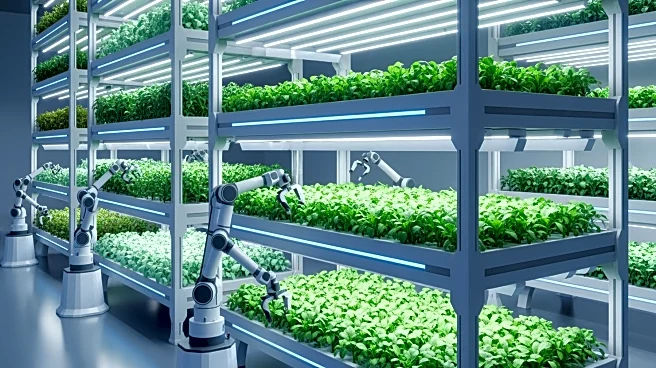
The future of the Agricultural Biotechnology Market will likely see further advancements in gene editing platforms and the growth of sustainable bio-based agricultural inputs. Integration with AI-driven precision farming is expected to enhance yield predictability and resource optimization. Additionally, increased regulatory clarity and global adoption of biotechnology solutions are anticipated, alongside stronger public-private R&D collaborations. These developments will position agricultural biotechnology as a cornerstone of future farming innovation, addressing both food security and environmental challenges.