
What's Happening?
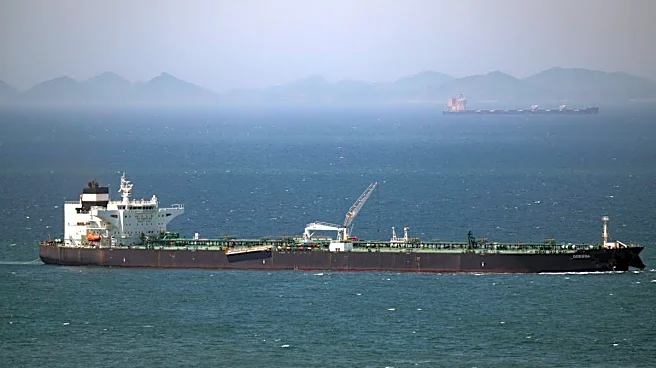
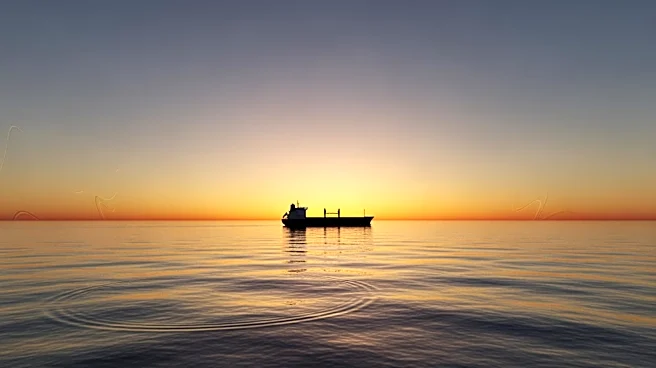
Chevron's CEO, Mike Wirth, has reported that several vessels transiting through the Strait of Hormuz have been attacked recently, despite ongoing peace talks. These incidents underscore the persistent
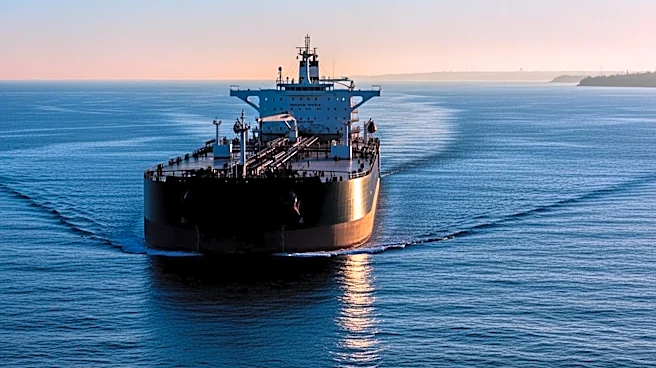
risks for shipowners in the Persian Gulf. Wirth noted that while not all attacks have been reported in the media, the threat remains significant. Chevron currently has six vessels in the Persian Gulf under charter, and the decision to transit through the strait is left to the shipowners. The company has expressed reluctance to pay a toll for passage through the strait.
Why It's Important?
The continued attacks in the Strait of Hormuz highlight the geopolitical tensions affecting global oil transportation routes. The strait is a critical chokepoint for the global oil supply, and disruptions can lead to significant economic impacts, including fluctuations in oil prices. Shipowners and insurers face increased risks, potentially affecting shipping costs and insurance premiums. The situation underscores the fragile nature of peace efforts in the region and the broader implications for international trade and energy security.
What's Next?
The ongoing situation may prompt further diplomatic efforts to ensure the safety of vessels in the Strait of Hormuz. Shipowners and insurers will need to assess the risks and decide on the viability of continuing operations in the region. The outcome of peace talks between the U.S. and Iran could influence future security measures and economic policies related to the strait. Additionally, Chevron and other companies may need to explore alternative routes or strategies to mitigate risks.