



What's Happening?
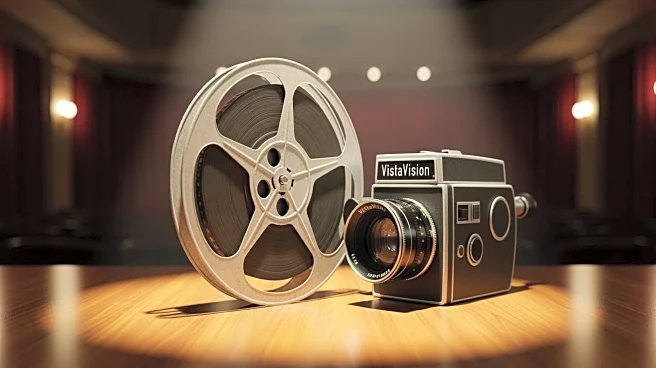
Two of this year's leading contenders for the Academy Awards have been filmed using VistaVision, a film technology from the 1950s. This visually striking yet technically demanding format is being revived by filmmakers at a time when the movie industry is grappling with the challenge of drawing audiences back to theaters. NPR's culture correspondent, Mandalit Del Barco, highlights this trend in the context of the evolving film industry. The use of VistaVision, known for its high-resolution and wide aspect ratio, is seen in films like 'Bugonia' and 'One Battle After Another'. This resurgence is part of a broader effort to enhance the cinematic experience and entice viewers to return to theaters, which have seen declining attendance due to the rise
of streaming services and the lingering effects of the pandemic.
Why It's Important?
The revival of VistaVision is significant as it represents a strategic move by filmmakers to differentiate theatrical releases from home viewing experiences. By leveraging a format that offers superior visual quality, the industry aims to create a compelling reason for audiences to visit cinemas. This is crucial for the survival of theaters, which have been struggling financially. The success of films using VistaVision could influence future production choices, encouraging more filmmakers to adopt unique technologies to enhance storytelling. Additionally, this trend underscores the ongoing tension between traditional cinema and digital streaming platforms, highlighting the need for innovation in the film industry to maintain its cultural and economic relevance.
What's Next?
If the films shot in VistaVision perform well at the box office and during the awards season, it could lead to a broader adoption of the format in future productions. This might also prompt theater owners to invest in upgrading their projection systems to accommodate such high-quality formats, further enhancing the movie-going experience. The industry will be watching closely to see if this technological revival can indeed draw audiences back to theaters and if it will influence the types of films that get greenlit in the future.
Beyond the Headlines
The use of VistaVision also raises questions about the sustainability and cost-effectiveness of using vintage technologies in modern filmmaking. While the format offers distinct visual advantages, it requires specialized equipment and expertise, which could limit its widespread adoption. Moreover, this trend reflects a broader cultural nostalgia for analog technologies in an increasingly digital world, suggesting a desire for authenticity and craftsmanship in art forms.