




What's Happening?
Elizabeth 'Liz' Hilliard, a Certified Pilates Instructor and owner of Hilliard Studio Method, has outlined a series of morning exercises aimed at improving balance for individuals over the age of 60. These exercises are designed to address common issues
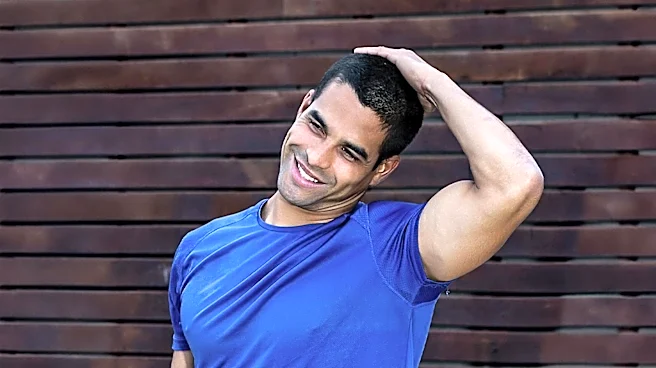
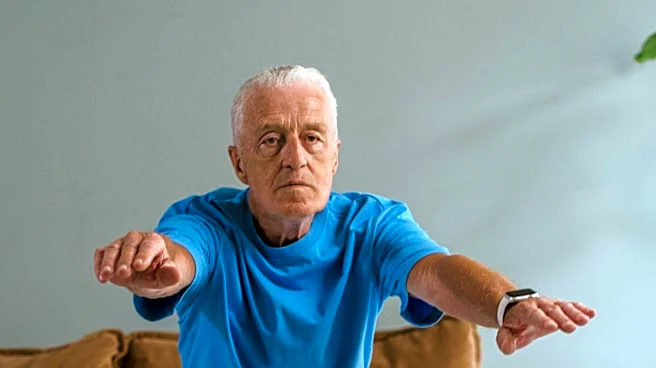
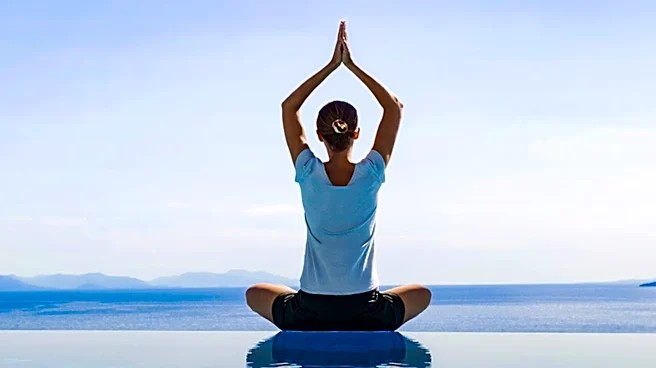
such as muscle loss, stiff joints, and declined sensory capabilities that contribute to balance problems in older adults. Hilliard emphasizes the importance of exercises that enhance proprioception, vestibular function, and muscular strength, which are crucial for maintaining balance and preventing falls. The routine includes exercises like the single-leg stand with eyes closed, heel-to-toe tandem walk, lateral band walk, calf raises, and sit-to-stand movements. These exercises are said to be more effective than yoga in building the necessary strength and stability for balance improvement.
Why It's Important?
The significance of these exercises lies in their potential to reduce the risk of falls, which are the leading cause of injuries among adults over 65. By improving balance, seniors can maintain their independence and continue performing daily tasks without assistance. The exercises target specific muscle groups and systems that are often underutilized in traditional yoga practices, providing a more comprehensive approach to balance training. This focus on balance is crucial as it directly impacts the quality of life and safety of older adults, potentially reducing healthcare costs associated with fall-related injuries.
What's Next?
As awareness of the importance of balance exercises grows, more fitness programs may incorporate these types of routines into their offerings for older adults. Healthcare providers and fitness professionals might also begin recommending these exercises as part of a preventative strategy against falls. Additionally, further research could be conducted to explore the long-term benefits of these exercises on overall health and mobility in seniors.
Beyond the Headlines
The emphasis on balance exercises highlights a broader trend towards preventative health measures in aging populations. As the demographic of older adults continues to grow, there is an increasing need for fitness solutions that cater specifically to their needs. This shift could lead to more specialized fitness programs and a greater focus on functional exercises that enhance quality of life and prolong independence.