



What's Happening?
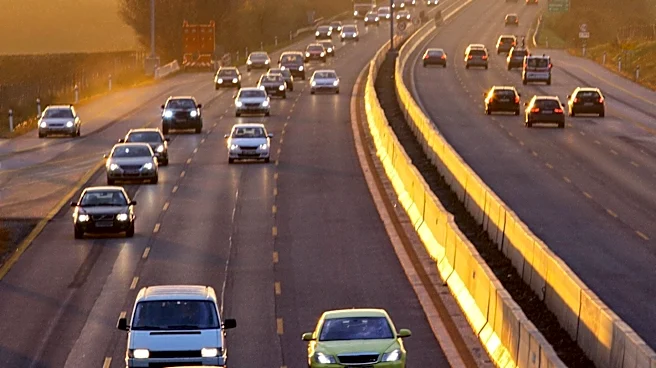
Consumer Reports has provided insights into how drivers can improve fuel efficiency and save money on gas. According to Keith Barry, an automotive writer at Consumer Reports, reducing speed from 75 to 65 miles per hour can save six to seven miles per gallon,
depending on the vehicle. Barry emphasizes the importance of maintaining a steady driving style, avoiding rapid acceleration, and ensuring tires are properly inflated to enhance fuel economy. Additionally, the report advises against carrying unnecessary items on the car, such as bikes or empty roof racks, which can significantly decrease fuel efficiency. The use of apps like GasBuddy is recommended to find the best gas prices, and opting for Top Tier gasoline is suggested to protect engines from carbon buildup.
Why It's Important?
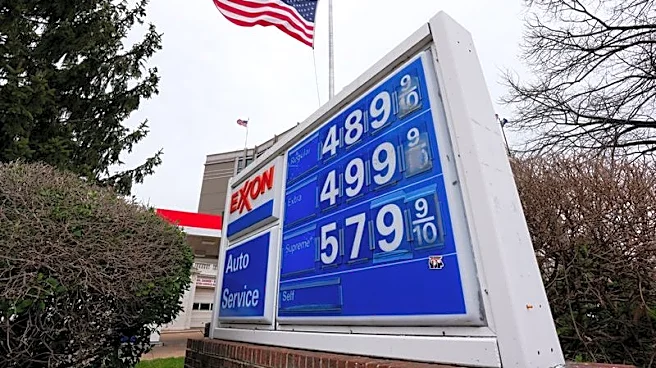
With fluctuating gas prices, finding ways to improve fuel efficiency is crucial for consumers looking to reduce transportation costs. The advice from Consumer Reports can help drivers save money on fuel and vehicle maintenance. By adopting these practices, drivers can also contribute to environmental conservation by reducing fuel consumption and emissions. The emphasis on using Top Tier gasoline highlights the importance of engine maintenance, which can lead to long-term savings on repairs and extend the lifespan of vehicles. These strategies are particularly relevant as consumers face economic pressures and seek cost-effective solutions.
What's Next?
Drivers may begin to adopt these fuel-saving strategies as awareness grows, potentially leading to a shift in driving habits across the country. Automotive manufacturers might also respond by emphasizing fuel efficiency in their marketing and product development. Additionally, as more consumers use apps to find cheaper gas prices, there could be increased competition among gas stations to offer competitive pricing. This could lead to broader industry changes in how fuel is marketed and sold.
Beyond the Headlines
The focus on fuel efficiency also raises questions about the future of transportation and the role of alternative energy sources. As consumers become more conscious of fuel consumption, there may be increased interest in electric vehicles and other sustainable transportation options. This shift could influence policy decisions and investments in infrastructure to support greener transportation solutions. The emphasis on reducing fuel consumption aligns with broader environmental goals and could contribute to efforts to combat climate change.