





What's Happening?
The Middle Eastern luxury market is currently facing significant challenges due to geopolitical tensions, inflation, and a decline in tourism. CXG, a consulting and customer experience measurement firm, is providing guidance to luxury brands on how to manage
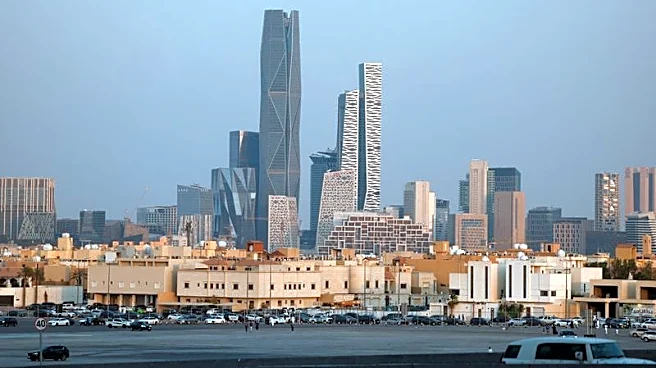
these crises effectively. The firm emphasizes the importance of market diversification, advising brands to not rely solely on one region and to consider Saudi Arabia as a long-term priority due to its Vision 2030 initiative. This initiative aims to diversify the economy by reducing oil dependency and investing in tourism and culture. Additionally, CXG suggests that luxury brands should extend their relationships beyond traditional boutiques by developing private clienteling, remote personalized services, and proactive client interactions. Understanding local cultural references and showing empathy in communications are also recommended strategies.
Why It's Important?
The advice from CXG is crucial for luxury brands that are heavily reliant on Middle Eastern consumers, who are known for their high-value purchases. The region's economic and political instability poses a risk to these brands' revenue streams. By diversifying their market presence and adapting to local cultural nuances, luxury brands can mitigate these risks and maintain their competitive edge. The emphasis on customer experience and empathy in brand communications is particularly important in retaining customer loyalty during uncertain times. This approach not only helps in sustaining business operations but also in building stronger, more resilient relationships with clients.
What's Next?
Luxury brands are expected to implement CXG's recommendations by expanding their geographical reach and enhancing their customer engagement strategies. This may involve investing in new markets and developing innovative service offerings that cater to the unique needs of Middle Eastern consumers. Brands will likely focus on strengthening their cultural understanding and integrating local references into their marketing strategies. The success of these initiatives will depend on the brands' ability to adapt quickly to changing market conditions and consumer preferences.
Beyond the Headlines
The current situation in the Middle East highlights the broader challenges faced by global luxury brands in navigating geopolitical and economic uncertainties. The need for cultural sensitivity and personalized customer experiences is becoming increasingly important in maintaining brand loyalty. This shift may lead to a long-term transformation in how luxury brands operate, with a greater emphasis on empathy and cultural integration in their business models. The ability to adapt to these changes will be a key determinant of success in the luxury sector.