
What's Happening?
Retailers are increasingly focusing on creating in-store experiences that are as engaging as the fashion products they sell. Aidan Harrison, head of retail UK&I at Diebold Nixdorf, emphasizes the importance
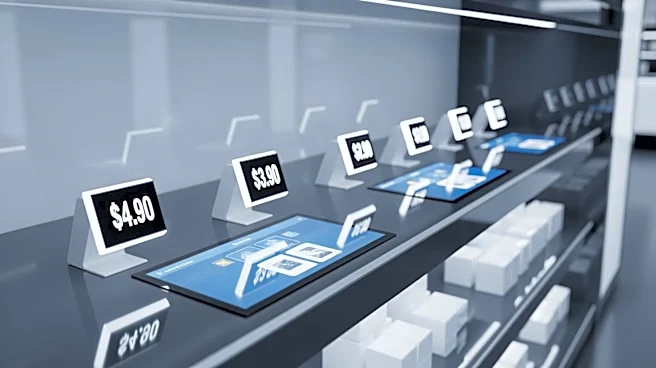
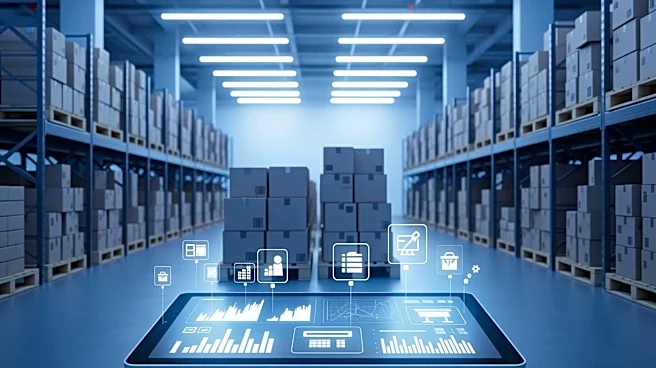
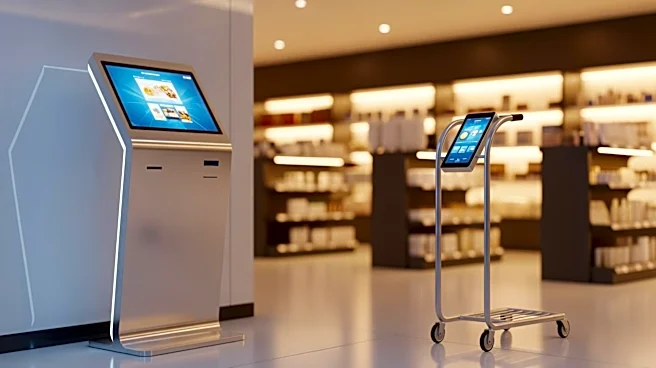
of making stores work more intelligently to engage shoppers. The company is implementing modular checkout options and smart, connected technology to improve the shopping experience. This includes the use of RFID technology to enhance inventory management and customer service. The goal is to create a seamless shopping journey that blends physical retail with digital tools, addressing common pain points such as stock visibility and checkout friction.
Why It's Important?
The integration of intelligent technology in retail stores is crucial as it addresses the evolving expectations of consumers who demand convenience and efficiency. By enhancing the in-store experience, retailers can differentiate themselves in a competitive market, potentially increasing customer loyalty and sales. The use of RFID and AI technology not only improves operational efficiency but also provides valuable data insights that can inform business strategies. As the retail landscape continues to shift towards omnichannel models, the ability to offer a cohesive and engaging in-store experience becomes a key competitive advantage.
What's Next?
Retailers are likely to continue investing in technology that enhances the in-store experience. This may include further integration of AI and IoT solutions to create more adaptive and responsive store environments. As these technologies become more widespread, retailers will need to ensure they are scalable and supported by robust infrastructure to deliver consistent value. The focus will also be on training staff to effectively use these tools to enhance customer interactions. The ongoing evolution of retail technology will likely lead to new innovations that further blur the lines between physical and digital shopping experiences.