



What's Happening?
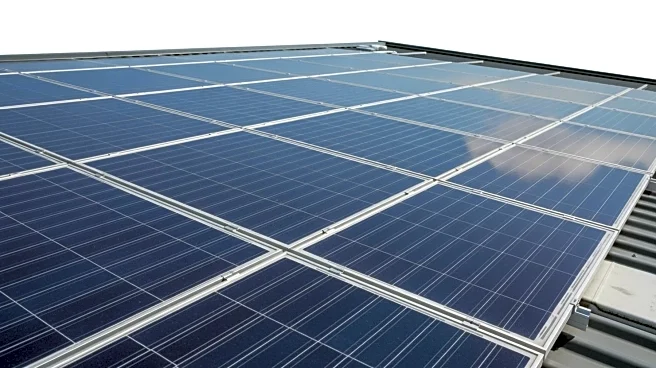
The logistics industry is increasingly integrating renewable energy solutions to enhance sustainability and operational resilience. Companies are adopting photovoltaic systems and dark warehouse concepts to shift from fossil fuel reliance to more predictable
and lower energy costs. This transition is part of a broader strategy to stabilize costs and reduce vulnerability to volatile fossil fuel prices. The adoption of renewable energy is also driving changes in procurement processes, with a focus on vendors that have renewable energy strategies and certifications aligned with international standards like ISO 14001:2015 and ISO 50001:2018. However, small to mid-sized enterprises face challenges in achieving verifiable certification. Early adopters of these practices are gaining competitive advantages in cost leadership, supply chain stability, and regulatory readiness.
Why It's Important?
The shift towards renewable energy in logistics is significant for several reasons. It addresses environmental imperatives by reducing carbon footprints and supports business realities by stabilizing operational costs. This transition is crucial for maintaining supply chain resilience, especially in the face of geopolitical crises and natural disasters that can disrupt fossil fuel supplies. By producing energy on-site, logistics operations can ensure continuity and reduce dependency on external energy sources. This move also aligns with growing demands from customers and partners for sustainable practices, positioning companies as preferred partners in sustainability-conscious markets. The integration of renewable energy solutions is not only a response to environmental challenges but also a strategic business decision that enhances long-term viability.
What's Next?
Logistics companies are expected to continue integrating renewable energy solutions, with a focus on data-driven strategies and continuous improvement. The use of Energy Performance Indicators (EnPIs) and facility management software will be crucial in monitoring and optimizing energy use. Companies will likely adopt a phased approach to investments, combining energy management systems with advanced technologies like AI-driven process optimization tools. These tools can identify inefficiencies and reduce energy consumption, further supporting the business case for renewable energy adoption. As the industry moves towards net-zero goals, logistics providers will need to set realistic targets and steadily integrate sustainability into their operations.
Beyond the Headlines
The adoption of renewable energy in logistics has deeper implications beyond immediate cost savings and sustainability. It represents a cultural shift towards more responsible business practices that prioritize environmental stewardship. This transition also highlights the importance of innovation and technology in driving efficiency and reducing waste. By leveraging AI and data analytics, logistics companies can enhance their operational capabilities and make informed decisions that align with sustainability goals. This approach not only benefits the environment but also strengthens the industry's resilience against future challenges, ensuring long-term success in a rapidly changing global landscape.