




What's Happening?
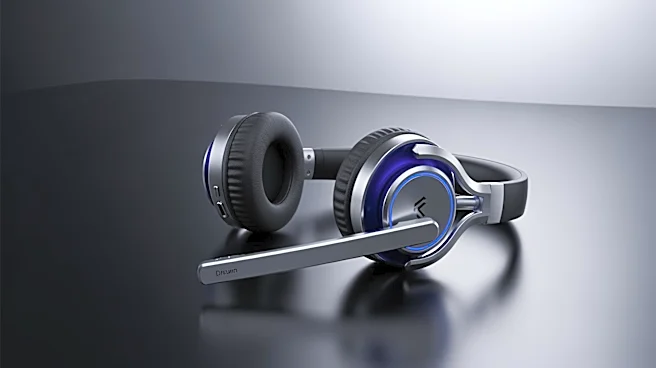
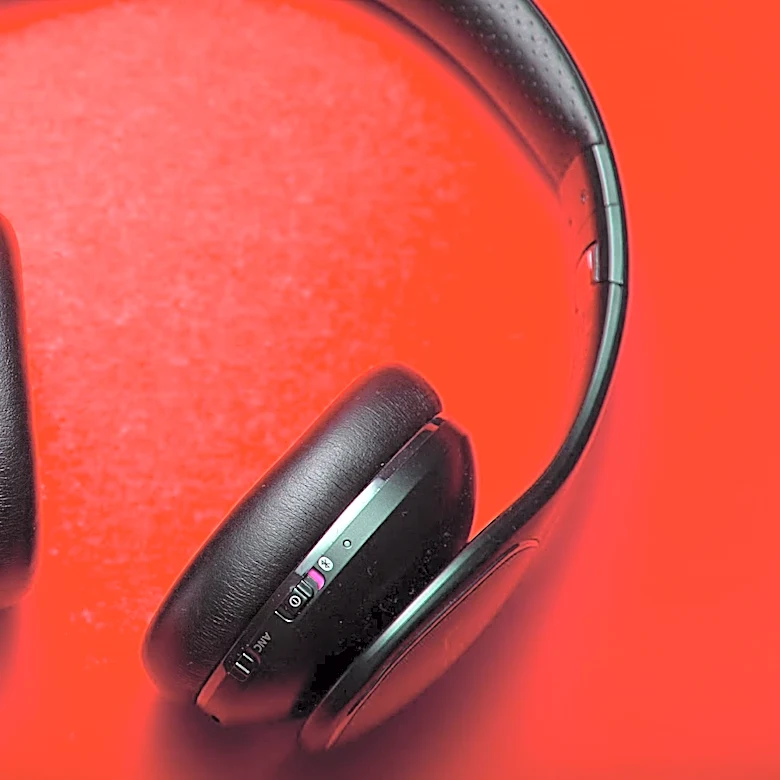
Jabra has introduced the Evolve3 85 headset, designed to cater to the growing demand for professional-grade audio equipment in hybrid work environments. The headset features a lightweight design, excellent microphone performance, and effective background
noise reduction, making it suitable for both business and everyday use. It is available in two variants: a Microsoft Teams-certified option and a standard UC variant compatible with leading UC platforms like Cisco, Mitel, and Avaya. The headset boasts impressive battery life, offering up to 120 hours of music listening with noise canceling off. Despite its high price, the Evolve3 85 is praised for its voice isolation capabilities and comfort, although its music sound quality is not as competitive as other premium headphones in the same price range.
Why It's Important?
The introduction of the Jabra Evolve3 85 headset reflects the shifting dynamics in the professional-grade headset market, driven by the increase in remote and hybrid work setups. As more individuals work from home or in flexible environments, the demand for reliable communication tools has surged. Jabra's focus on voice-calling performance and noise reduction addresses the needs of professionals who require clear communication in noisy settings. The headset's compatibility with multiple UC platforms ensures broad usability across different business environments. However, its high price point may limit accessibility for some consumers, highlighting the need for affordable yet effective solutions in the market.
What's Next?
As the market for professional-grade headsets continues to evolve, Jabra may face competition from other brands seeking to capitalize on the demand for hybrid work solutions. Future developments could include enhancements in sound quality and noise-canceling technology to better compete with premium consumer headphones. Additionally, Jabra might explore expanding its product line to offer more affordable options without compromising on performance. The ongoing trend towards remote work suggests that the demand for such headsets will remain strong, prompting manufacturers to innovate and adapt to changing consumer needs.