






What's Happening?
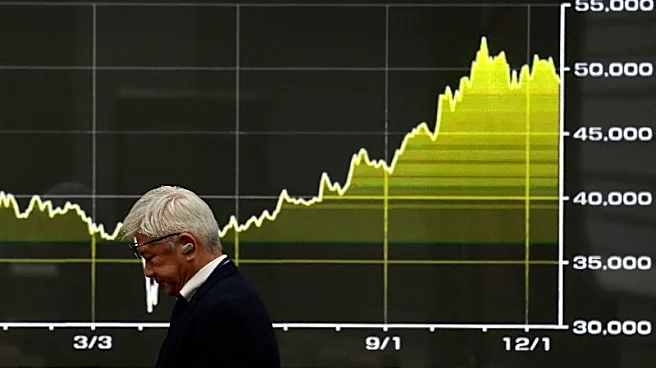
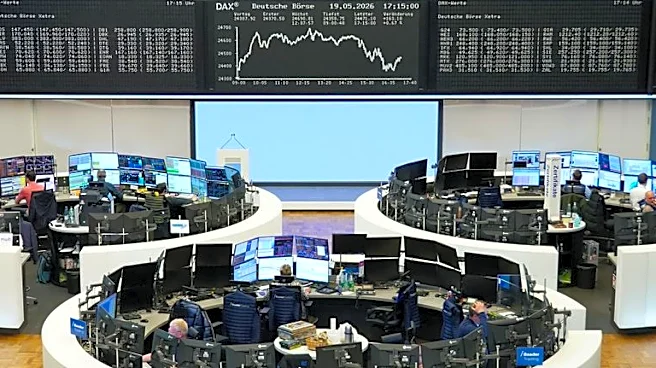
U.S. equity funds have seen a significant surge in inflows, totaling $70 billion over the past seven weeks, marking a 97th-percentile streak since 2000. This increase is attributed to foreign demand for U.S. equities, driven by persistently high oil prices
and optimism over earnings growth. Despite macroeconomic concerns and geopolitical tensions, such as the ongoing conflict in Iran, fund managers have increased their equity allocations. According to a Bank of America survey, fund managers shifted from being net 13% overweight on equities in April to net 50% overweight in May. However, analysts warn that the market is nearing a 'sell-signal' level, suggesting that early June could be ripe for profit-taking.
Why It's Important?
The substantial inflows into U.S. equity funds highlight investor confidence in the resilience of the U.S. stock market despite global uncertainties. This trend underscores the attractiveness of U.S. equities as a safe haven amid geopolitical tensions and inflation concerns. However, the potential for a market correction looms as bond yields rise, which could impact equity valuations. The divergence between the optimistic equity markets and the cautious bond markets suggests a potential shift in investor sentiment, which could have significant implications for financial markets and economic stability.
What's Next?
As bond yields continue to rise, the risk of a market correction increases. Analysts suggest that the coming weeks could see profit-taking as investors reassess their positions. The ongoing geopolitical tensions, particularly the conflict in Iran, and macroeconomic factors such as inflation and central bank policies will play crucial roles in shaping market dynamics. Investors and fund managers will need to navigate these uncertainties carefully to mitigate potential risks.